The waiting game ends sooner than you might think.
Amazon is launching Amazon Leo, its shot at dethroning Starlink, later this year. They finally have enough satellites in orbit. Just enough.
Chris Weber, who runs the business side of Leo, called it on X. Enough to support continuous service across initial latpheres.
Thursday morning, twenty-nine more satellites rode an Atlas V rocket into the dark. The total constellation sits just over 390 units now.
That is not the goal, of course. The plan calls for 3,236 birds. That’s the number that matters.
Launching the Problem
Getting up there has been a nightmare. Rocket capacity is thin. Launches slip. Things break.
Take May 28th.
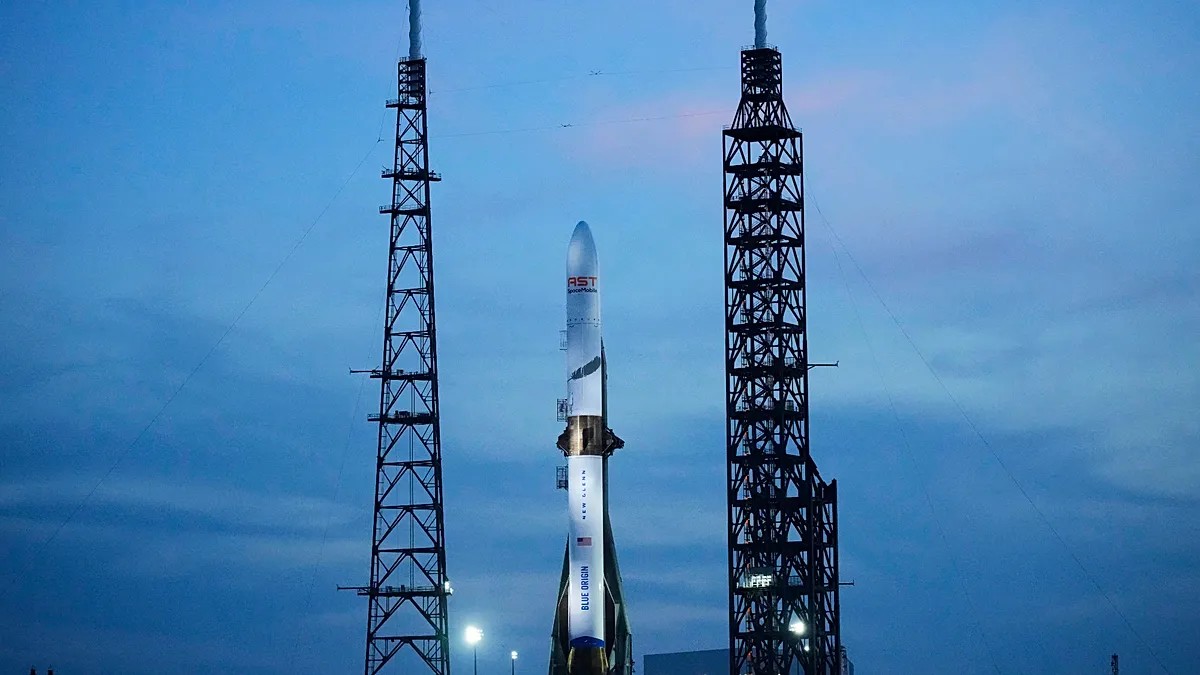
Blue Origin —Jeff Bezos’s baby, remember?—blowed up a New Glenn rocket. Hot-fire test at Cape Canaveral. Boom.
“Amazon said its satellites were never integrated.”
Good. That saved a lot of money. They were still sitting at the processing facility.
Dave Limp, CEO of Blue Origin, says they will be back in the air this year. No rebuilding the pad, just a redesigned launch config. We’ll see.
Amazon doesn’t seem rattled. They’re switching gears for the next batch. Enter the Vulcan heavy-lift rocket from ULA. It carries bigger payloads. Should speed things up.
Who Else Is Out There?
Space is crowded.
Starlink isn’t even trying to keep up; it’s just leading by miles. Over 10,400 satellites are humming in orbit for SpaceX. Amazon isn’t even close.
Actually, Leo is third. Behind OneWeb, who has about 650 up there.
Still. The beta started for enterprises last November. Now the aim is full commercial rollout by the third quarter.
Will it be fast?
Maybe. But Starlink isn’t slowing down. 🛰️
It remains to be seen whether Leo can actually fill the gap.