The sky did not fall. At least, not in the way OpenAI’s Sam Altman thought it would.
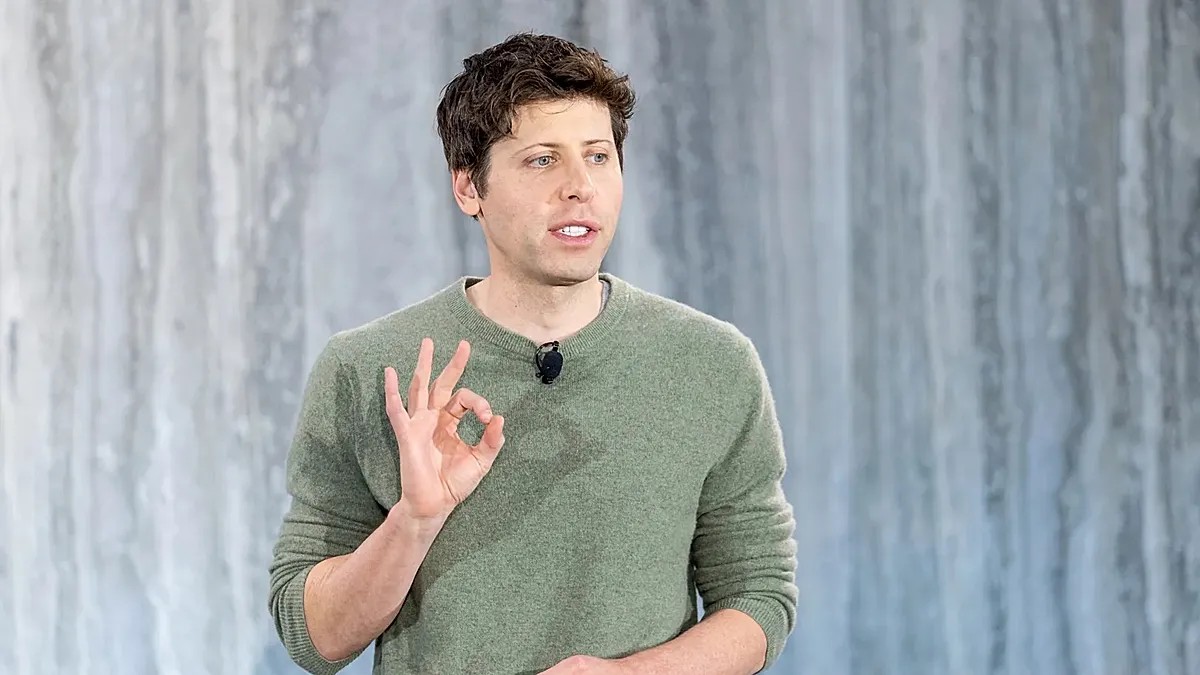
Speaking in Sydney on Tuesday, Altman tossed his own earlier prophecies into the trash bin. The so-called “jobs apocalypse”? Not happening. Not yet anyway. He was “roughly right” on the tech side of things—ChatGPT launched in 2022, remember? That part checks out. But the social and economic fallout? He was “pretty wrong” about that. Reuters reported his concession without hesitation.
Consider his old claims. Altman used to insist AI would compress job turnover rates that historically spanned 75 years into a mere blink of an eye. He swore customer service would go first. Phone lines would die. Computers would handle it. People would lose those roles. He said this with confidence.
“I’m delighted to be wrong about this,” he told Matt Comyn, the CBA CEO. “I thought there would have been more elimination of entry-level white-collar work than actually occurred.”
He realizes now why the panic hasn’t materialized. His intuition was off. He gets the criticism—people told him he was feeding the doomsday narrative, fear-mongering for clicks. At the time? He saw a real risk. Worth talking about. Still might be a risk. He leaves that door ajar.
The corporate world, meanwhile, isn’t waiting around to find out. Meta just cut jobs to pivot toward AI. Cisco isn’t far behind, confirming layoffs for 4,000 workers this past May. CEO Chuck Robbins was blunt in his blog post: survive by focusing on urgency and shifting investments where demand actually exists. Focus matters. Discipline matters more.
But here is the twist. Gartner did the math. Eighty percent of execs say they are cutting staff to invest in AI. Data says something else entirely. Businesses do better when they hand AI tools to current workers rather than firing them. Efficiency wins over elimination. Most of the time.
Altman sees it too. He claims a human part of employment remains untouched. Unreplicable.
He even tried to outsource his own emails and Slack replies. Let AI say it was Sam’s bot doing the talking. An amazing example, sure. But he went back. To answer them himself. Why? Because he realized something simple. We care about the person on the other side. Or at least, he does.
What does that mean for the rest of us? Who knows. The fear hasn’t vanished, just shifted. Altman backs away from the brink for now, admitting the timeline didn’t hold up. But he doesn’t promise safety either. Just uncertainty. With better tools.
That might be enough for today. Tomorrow looks different. 🤷♂️