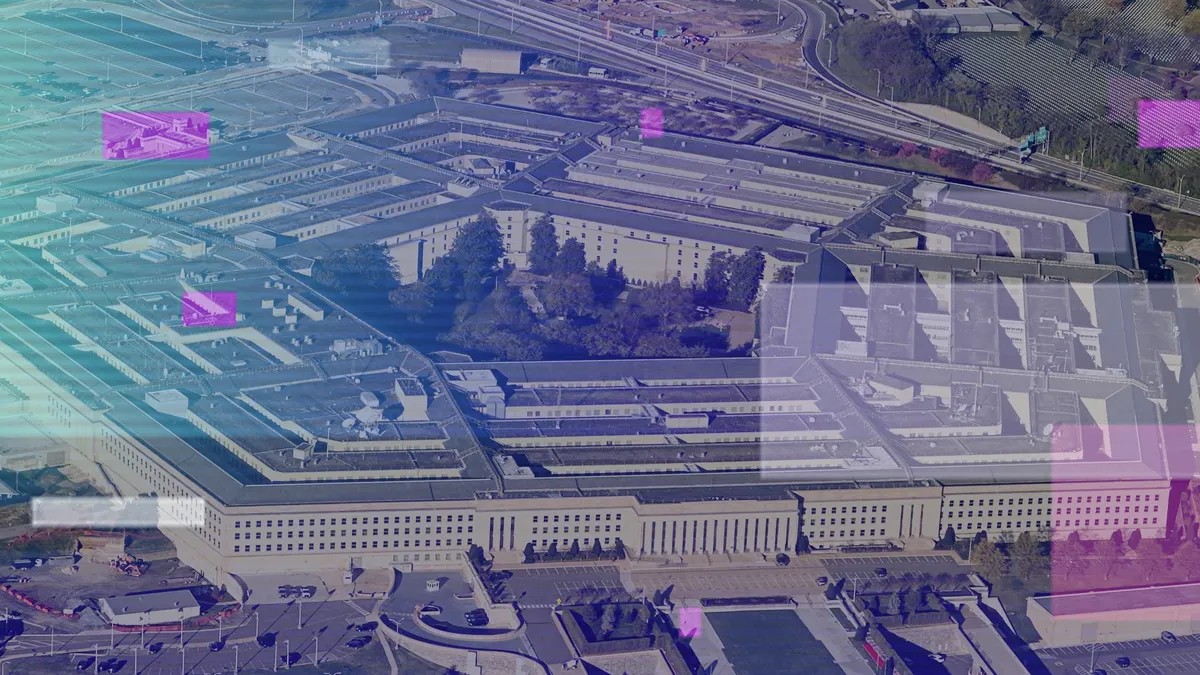
Google has moved forward with a significant agreement allowing the US Department of Defense to utilize its artificial intelligence models for classified purposes. This decision comes despite strong internal opposition, with hundreds of employees urging the company to avoid military applications they deem dangerous or unmonitorable.
The deal, first reported by The Information, permits the Pentagon to use Google’s AI tools for “any lawful government purpose,” including sensitive military operations. By entering this agreement, Google joins a growing cohort of tech giants—including OpenAI and xAI—that have struck similar classified partnerships with the US military.
The Scope and Safeguards of the Agreement
While the contract allows for broad military usage, it includes specific limitations. The agreement explicitly states that Google’s AI systems are not intended for domestic mass surveillance or for autonomous weapons lacking human oversight.
However, the terms also clarify that Google does not have the right to veto lawful operational decisions made by the government. Furthermore, the company will assist in adjusting safety settings and filters based on government requests. A Google spokesperson told CNET that providing API access to commercial models under standard practices is a “responsible approach” to supporting national security, reiterating their commitment against unsupervised autonomous weapons or domestic surveillance.
Key Context: This shift marks a departure from Google’s previous stance. In February, Google updated its AI principles to emphasize that “democracies should lead in AI development” and that collaboration between companies and governments is essential for protecting people and supporting national security. This replaces earlier language that strictly prohibited technologies likely to cause overall harm or violate human rights.
Internal Resistance and Historical Tensions
The announcement has triggered significant backlash within Google. More than 600 employees signed an open letter addressed to CEO Sundar Pichai, calling on the company to “refuse to make our AI systems available for classified workloads.”
The employees argue that their proximity to the technology imposes a responsibility to prevent its most unethical uses. Their concerns extend beyond lethal autonomous weapons and mass surveillance; they worry that classified work removes visibility, making it impossible for employees to know how or where the models are being deployed.
This tension echoes one of Google’s most prominent internal conflicts: the 2018 protests against Project Maven, a Pentagon program using AI to analyze drone footage. At that time, thousands of workers rallied against the contract, leading Google to ultimately decide not to renew it. Since then, the company’s posture toward military AI has notably softened.
Why This Matters
This development raises critical questions about the role of private tech companies in national security and the limits of corporate oversight.
- Loss of Transparency: Unlike commercial applications, classified military uses occur in the dark. Employees and the public cannot audit how these models behave in real-world combat or intelligence scenarios.
- Industry Trend: With OpenAI and xAI also engaging with the Pentagon, this signals a broader industry shift where major AI developers are becoming integral to military infrastructure, blurring the line between civilian tech innovation and defense capabilities.
- Ethical Dilemma: The core conflict remains: Can a company claim to adhere to ethical AI principles while providing tools for opaque, potentially harmful government operations?
“We want to see AI benefit humanity, not to see it being used in inhumane or extremely harmful ways,” the open letter states, highlighting the deep moral divide within the workforce.
Conclusion
Google’s decision to partner with the Pentagon for classified AI work represents a strategic pivot toward national security collaboration, aligning it with other major AI firms. However, this move has reignited intense internal debate, underscoring the growing difficulty of balancing ethical responsibilities with government demands in the rapidly evolving landscape of artificial intelligence.