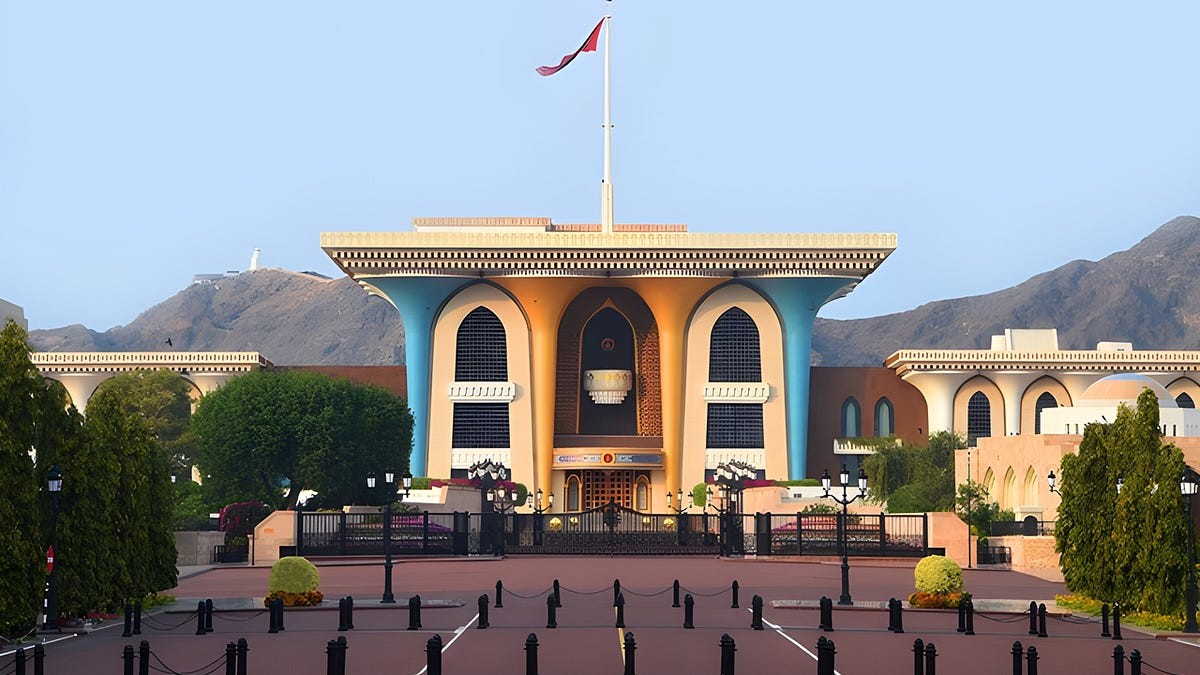
His Majesty Sultan Haitham bin Tarik has signed Royal Decree No. 50/2026, officially establishing an Artificial Intelligence Special Zone in the Governorate of Muscat. This move marks a decisive shift in Oman’s economic strategy, creating a dedicated hub with specific incentives and exemptions designed to attract global AI investment and enterprise.
The initiative is managed by the Public Authority for Special Economic Zones and Free Zones (OPAZ), which will appoint a management and development partner in coordination with the Ministry of Transport, Communications and Information Technology. The decree takes effect immediately following its publication in the Official Gazette.
A Strategic Pivot for Foreign Investment
For years, Oman has maintained a cautious approach to foreign ownership, contrasting sharply with its neighbor, the United Arab Emirates, which has aggressively opened its markets. By creating a dedicated AI zone, the Sultanate is sending a clear signal: it is ready to welcome foreign AI companies and investors, provided they operate within this structured framework.
This is not merely a policy announcement; it is a concrete regulatory commitment. The zone will offer privileges under the Law of Special Economic Zones and Free Zones, lowering barriers for specialized tech firms that previously found the local business environment difficult to navigate.
Driving the Digital Economy Forward
The new zone is a core pillar of Oman Vision 2040 and the National Artificial Intelligence Strategy. The goal is ambitious: increase the digital economy’s contribution to national GDP from just 2% in 2021 to 10% by 2040.
Currently, Oman ranks 66th in the Oxford Insights Government AI Readiness Index. To close this gap, the government is targeting AI-driven growth in critical sectors, including:
* Transportation and logistics
* Tourism
* Food security
* Manufacturing
The establishment of this zone is expected to accelerate external investment, complementing the RO 60 million ($156m) already invested in the AI sector between 2021 and 2024.
From Policy to Practice
Oman is moving beyond theoretical planning into operational deployment. The national AI programme has already produced tangible results:
* OmanGPT: A large language model trained on local cultural, historical, and scientific data.
* AI Studio: A hub connecting specialists with technology companies.
* Workforce Training: Over 1,300 individuals have received specialized AI training.
Furthermore, AI pilots are already active across the public sector, utilizing technologies such as:
* Facial recognition systems
* Air quality monitoring
* Smart urban planning tools
* Drone surveying for agriculture and construction
* Automated fish-farming systems
What This Means for the Future
The creation of the Muscat AI Special Zone represents a mature phase in Oman’s digital transformation. By combining sovereign governance frameworks with targeted economic incentives, the country aims to localize advanced digital technologies while fostering a human-centered AI ecosystem.
In conclusion, Oman is transitioning from cautious observation to active participation in the global AI economy, using this new zone as a catalyst to achieve its 2040 digital growth targets.