
Your morning routine probably involves checking Facebook before you even finish your first coffee. It has become a default part of daily life for hundreds of millions of people. Whether you are reading news, watching videos, or catching up with friends, accessing your account is the first step. It is straightforward, but you still need to know where to click.
Accessing Facebook from a Computer
The process on a desktop is simple. Open any web browser and type www.facebook.com into the address bar. This takes you directly to the Facebook homepage.
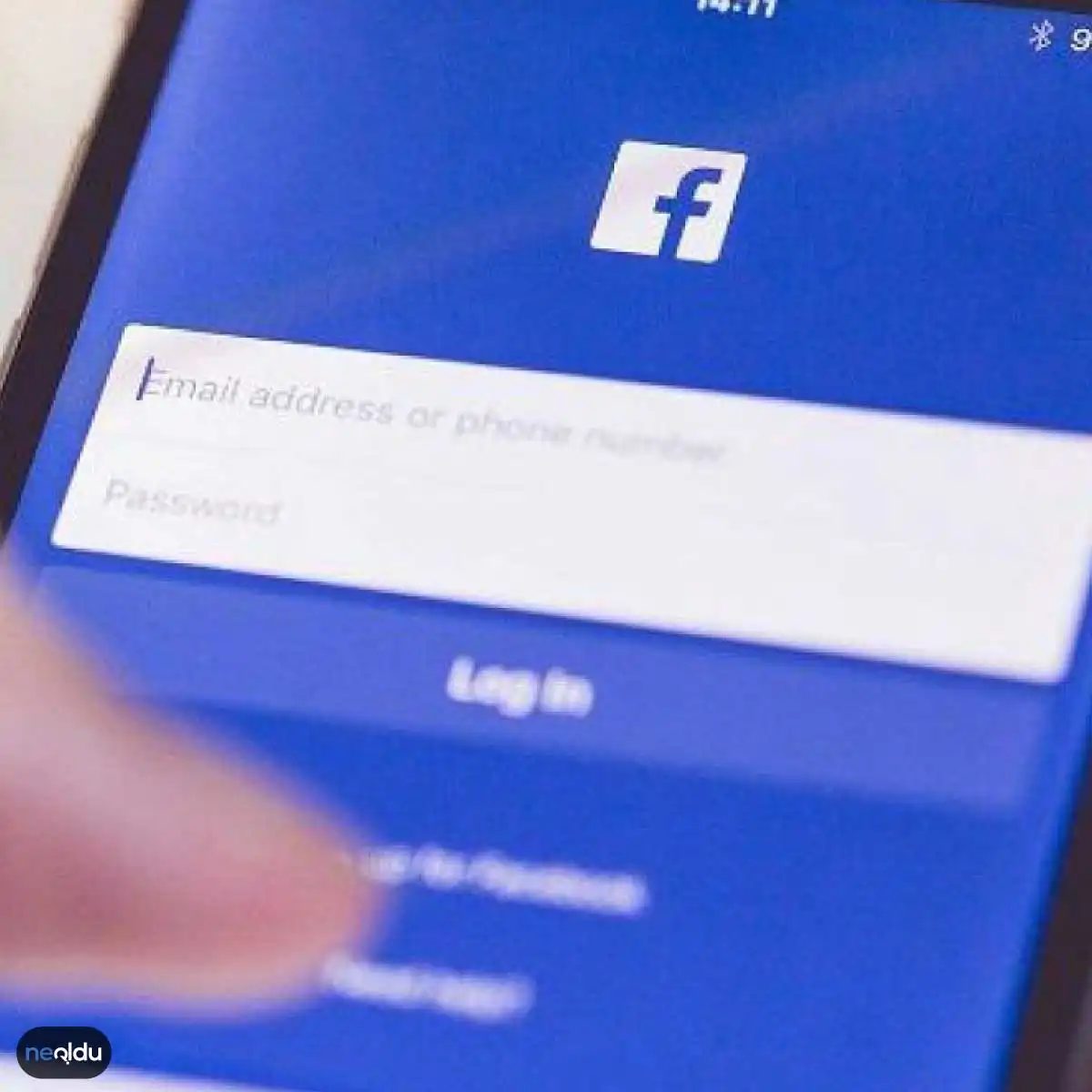
Once the page loads, you will see the login fields. Enter your email address or phone number in the first box. Then, type your password in the second box. Click the Log In button.
If you have used Facebook on this computer before, your browser’s autofill feature might do the heavy lifting. It could remember your username, meaning you only need to enter your password to get in.
Using Facebook on Mobile Devices
For your phone, you need the dedicated app. Download the Facebook app from your app store and install it. Open it.
You will be asked for your credentials. Enter your username, which is either your email or your phone number, followed by your password. The interface is designed to be quick, minimizing friction between you and your feed.
What To Do If You Are Locked Out
Stuck at the login screen? This is where things get practical.
Did you forget your password? Look for the option that says Forgot password? Click it. Facebook will send a reset link to the email address associated with your account. Follow the instructions in that email to create a new one.
Security matters. If you want to keep your account safer, look into enabling Two-Factor Authentication. This adds an extra layer of defense. If someone tries to log in from a new device or a different location, they will need a second verification code, not just your password. You might also see an option for secure browsing, which helps protect against certain types of malicious software.
These steps cover the basics. How does this look on your specific device? The interface might vary slightly, but the core logic remains the same.
Facebook’ta şifre sıfırlama ve giriş hatalarını çözme
Hatalı bir parola veya kullanıcı adı, giriş denemelerinizin çoğunu boşa çıkarır. Bu durumda panik yapmayın. Ekranın altındaki “Şifremi Unuttum” bağlantısına tıklayın. Bu araç, Facebook hesabınızı kurtarmak için tasarlanmıştır. Doğru e-posta adresi veya telefon numarasını girerek yeni bir şifre alma sürecini başlatabilirsiniz.
Hesabınız neden geçici olarak askıya alındı?
Facebook, Kullanım Şartları’nı ihlal ettiğini düşündüğü durumlarda hesabınızı kilitler. Bu, geçici bir durdurma veya kalıcı bir kapatma olabilir. Hesabınızın neden askıya alındığını ve ne yapmanız gerektiğini öğrenmek için doğrudan Facebook Destek Merkezi ‘ne gitmeniz gerekir. Buradaki talimatlar, hesap durumunuza göre değişir.
Güvenlik kilidi ve doğrulama kodları
Bazen Facebook, hesabınızı korumak için erişimi kısıtlar. Bu bir güvenlik önlemidir. Bu senaryoda, hesabınızı yeniden etkinleştirmek için yönergeleri izlemeniz gerekir. Sistem, size bir doğrulama kodu gönderecektir. Bu kodu doğru şekilde girdiğinizde erişim yeniden sağlanır. Hesabınızın doğrulanması gereken durumlar da benzer bir akış izler.
Teknik arızalar ve internet bağlantısı
Bazı sorunlar tamamen dış kaynaklıdır. İnternet bağlantınız zayıf olabilir veya Facebook sunucularında geçici bir arıza yaşanıyor olabilir. Önce kendi internet bağlantınızı kontrol edin. Sorun hâlâ devam ediyorsa, birkaç dakika bekleyip tekrar deneyin. Servis kesintileri genellikle kendiliğinden düzelir.
Destek Merkezi’ni ziyaret etmek, sorunun kaynağını belirlemenin en hızlı yoludur.
Hesap durumunuzu netleştirmek için resmi kanalları kullanın. Çoğu sorun basit bir ayar değişikliği veya kısa bir beklemeye bağlıdır.


How to recover your Facebook password using email or phone
You forgot your password. It happens. The first move is clicking “Forgot password” on the login screen. Facebook then asks how you want to receive the reset link.
You have two main paths:
– Email address attached to the profile
– Phone number connected to the account
Pick one. Facebook sends a code or a direct link to that device. You open it, verify your identity if prompted, and set a new password. The link takes you to a secure page where you type in the new credential.
Which Facebook recovery method works when you lose device access?
What if your phone is lost and your email is inaccessible? This is where the Trusted Contacts feature comes in.
If you set this up before you got locked out, you can request a security code from friends or family members you designated earlier. They receive a link and pass a code to you. You enter that code to reset your password.
Important: You must configure Trusted Contacts in advance. It does not work retroactively.
How to contact Facebook support if self-service fails
When the email, phone, and trusted contact routes all fail, you escalate to the Help Center. You are not just clicking “Contact Us” and hoping for the best.
- You need to prove account ownership
- Facebook may ask for ID verification
- The process takes longer than a simple password reset link
This option exists for locked-out users who cannot access the standard recovery channels. Be prepared to provide documentation that proves the account is yours.

Adding a second layer to your Facebook login
You have your password. That is step one. Step two is where most people get skipped, which is exactly why accounts get stolen. Two-factor authentication, or 2FA, forces anyone logging in to prove they are you using a separate device or method. It is not optional if you care about your digital life.
Which methods does Facebook actually offer?
You go to Settings, then Security and Login. Scroll down to Login Verification. Click Add Method. Facebook hands you two real choices, and one is noticeably better than the other.
The first option is a verification app. This is the stronger path. You scan a QR code with an app like Google Authenticator, Microsoft Authenticator, or Authy. From then on, the app generates a six-digit code every 30 seconds. No network needed. No SIM card required. If your phone is stolen, the attacker still cannot easily bypass this without your physical device and PIN.
The second option is SMS verification. Facebook texts a code to your phone number. Enter it. Done. It works, but it is weaker. SIM swapping is a real threat. If someone steals your phone number, they can intercept those texts. If you have a choice, pick the app.
How to set it up without losing your head
Log in. Click the arrow in the top right. Settings. Security and Login. Login Verification. Add Method.
Pick the app option. Scan the QR code. Confirm the code. You are set.
Next time you log in, you will type your password, then enter the code from your authenticator app. That is it. The friction is minor. The protection is significant.
Why this matters after a breach
If your account has already been compromised, 2FA is not a recovery tool. It is a prevention tool. Once someone is in, they can disable it. So if you are reading this because your account was stolen, skip ahead to the recovery steps first. If you are here because you want to stop it from happening, enable the app-based method today.
There is a small catch. If you lose the phone with your authenticator app, recovery becomes harder. Keep backup codes. Facebook lets you download a set of single-use recovery codes when you first enable 2FA. Save them somewhere offline. A piece of paper in your wallet works. A note in your password manager works. Just make sure they are not sitting in an unencrypted text file on your desktop.
The app method beats SMS. It is faster, more secure, and does not depend on your carrier. Use it.

Navigating Facebook Security Checks and Password Recovery
Stuck at the login screen? It happens. You type in your credentials, hit enter, and suddenly Facebook throws a curveball. Instead of a homepage, you get a prompt. “What was the maiden name of your mother?” or “Name your first pet.”
These are security questions, often called reminder questions. They exist because Facebook needs to verify it is actually you before handing over the keys to your digital life. It is an extra layer of protection, not a punishment. Answer correctly, and you are in. Answer wrong, and things get complicated.
Why does this matter? Because repeated incorrect answers can trigger a lockout. Your account might get temporarily suspended, or in worse cases, permanently disabled. If you blank out on those childhood details, do not guess. Guessing is the fastest way to lock yourself out.
If you cannot recall the answers, stop trying to brute-force it. Switch to the standard recovery path.
How to Reset Your Password When Security Questions Fail
The most direct route to regaining access is the “Forgot your password?” link. Here is the workflow:
- Go to www.facebook.com.
- Click Forgot your password? below the login fields.
- Enter the email address or phone number linked to your account.
- Follow the on-screen instructions to receive a reset link or code.
This method bypasses the security question hurdle entirely. It relies on verifying your contact information rather than your memory of your high school pet.
Why Your Login Fails Even With Correct Credentials
You know your password. You typed it right. Yet, Facebook refuses entry. What gives?
Usually, this means your account status is no longer “active” in the way you think it is. A few scenarios explain this:
- Account Suspension: Facebook may have flagged your activity as a violation of their Terms of Service. This could be automated moderation or a report from another user.
- Security Lockdown: If Facebook detects unusual login attempts or suspicious activity, they may freeze the account pending manual review.
In these cases, resetting your password will not work. You need to contact Facebook Support directly. Look for the help center or the specific appeal links provided in the error message. Do not create a new account immediately; this often compounds the issue by flagging your device or identity for further review.
Enabling Two-Factor Authentication (2FA)
If you want to avoid these headaches in the future, consider turning on two-factor authentication. It adds a step to login, but that step is usually a text message code or an authenticator app entry. It is significantly harder for bad actors to crack than a static password.
To enable it:
- Log in to your account.
- Go to Settings & Privacy > Settings.
- Select Security and Login.
- Find the Two-Factor Authentication section.
- Choose your preferred method (SMS or authenticator app) and confirm your phone number.
“Security is not a one-time setup; it is a maintenance habit.”
Once 2FA is active, you will receive a verification code every time you sign in from a new device. It is a small friction that buys you a lot of peace of mind.
Answering Security Questions: The Do’s and Don’ts
If you are forced to use the security question method, treat it with care.
- Use exact matches: If you wrote “Fido” back in 2010, do not write “Fido the Dog.”
- Check capitalization: Sometimes, these fields are case-sensitive.
- Do not panic: If you miss it once, wait a few minutes before trying again. Immediate retries can flag your account as compromised.
If you realize you simply cannot answer them, go back to the password reset flow. It is the more reliable path for modern accounts. The security questions feature is older, and not everyone has had to answer them recently. If you are unsure, assume you do not remember, and use the email/phone recovery method instead.