


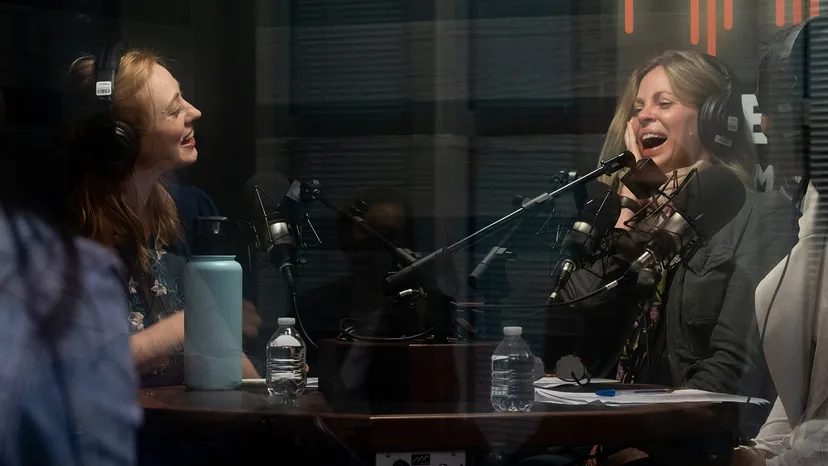
You don’t need a license. You don’t need a studio. You just need a computer and an idea.
Decades ago, breaking into radio required either deep industry connections or enough cash to buy your way into a frequency. That gatekeeper era is over. Thanks to the internet’s instant reach, the barrier to entry has collapsed. Blogging let anyone become a reporter. Social media let anyone become an influencer. Podcasting let anyone become a DJ, a host, or a recording artist.
It started with techies. It spread to the mainstream. Now, it’s a massive content ecosystem.
What Exactly Is a Podcast?
Podcasting is simple in theory. It’s a digital audio file. Usually an MP3. You stream it or download it.
The word itself is a portmanteau of iPod and broadcasting. It’s a nod to the era when Apple’s music player was the primary device for listening. But today, you can play these files on your phone, your laptop, or a dedicated audio player.
The service is largely free. You aren’t paying for the airtime. You’re paying for the bandwidth or hosting, which many platforms offer at no cost to creators.
Podcasting combines the freedom of blogging with digital audio technology.
This combination creates an endless supply of content. Philosophy. Sports. True crime. Music. It mimics the variety of traditional radio but strips away the corporate scheduling constraints.
On-Demand vs. Live Streaming
Here is the key difference between podcasts and internet radio.
With internet radio, you tune in. You wait for the host. You listen to what is being broadcast now. If you miss it, it’s gone.
With podcasts, you download. Or you subscribe.
You don’t need to be present at a specific time. You listen when you want.
This is handled via RSS feeds. RSS stands for Really Simple Syndication. Think of it like a personal video recorder for audio. You set it to record specific shows. The feed automatically pushes new episodes to your device. You don’t hunt for them. They come to you.
It’s on-demand by design.
Why It Matters
This shift is about democratization.
Radio used to be a one-to-many model controlled by a few large corporations. Advertisers dictated content. Standards were high. Access was low.
Podcasting flips the script. It’s a many-to-many model. Anyone with a microphone can speak. Anyone with an internet connection can listen.
Is it profitable? Yes. But that’s a story for the next section. For now, the bigger point is access. The technology has removed the middleman.
A Quick Look at the History
Before the modern explosion, podcasting existed in fragments. Early experiments with digital audio distribution date back to the late 1990s. But it wasn’t until the mid-2000s that the term “podcast” stuck and the infrastructure matured.
RSS feeds were the engine. Apple’s integration of podcasts into iTunes was the ignition.
Once users could subscribe to a feed and have episodes auto-download, the friction vanished. Listeners stopped searching. Creators stopped begging for airtime.
The medium found its rhythm.
And that rhythm is still growing.

The Unregulated Wild West of Audio
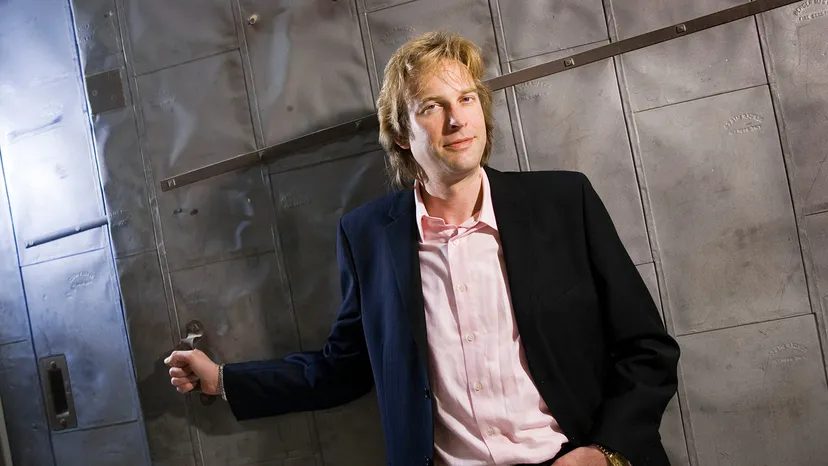
Back in 2004, the landscape changed forever. Adam Curry, formerly of MTV, and software developer Dave Winer didn’t just invent a new medium; they engineered a workflow. Curry built iPodder to automatically suck internet radio broadcasts onto his iPod. It was clunky. It was experimental. But it worked. Other developers took that kernel of an idea and expanded it. Podcasting was officially born.
Curry hasn’t stopped. He still hosts No Agenda, one of the most enduring shows in the space.
The regulatory environment here is distinctively American. In the U.S., podcasting operates outside FCC jurisdiction. Radio stations need licenses. They must adhere to decency standards. Podcasters do not. You can say anything. Four-letter words? Fine. Sexually explicit content? Also fine. Copyright law still applies—you can’t just steal other people’s work—but you can license your own content via Creative Commons or traditional copyright. It’s a legal gray zone that allows for total creative freedom.
This lack of gatekeeping means the barrier to entry is virtually zero. Sure, big broadcast companies have jumped in. But the core of the medium remains amateurs broadcasting from home studios. Without ratings pressure, the content ranges from high-brow intellectualism to the excruciatingly mundane. Podcasters target niches. They cater to specific interests. By sticking to one subject consistently, they build expertise and a loyal, devoted audience.
Look at what’s out there. Welcome to Night Vale updates listeners on a fictional, eerie town. The Mortified Podcast features adults reading their cringe-worthy teenage diaries. The variety is staggering. You can use podcasts for self-guided walking tours. Financial planning. Sermons. Fitness training. True crime documentaries. The utility is endless.
The Big Players and The Money
If you want to know where the attention is, look at the charts. The three most popular podcasts in the U.S. right now are:
- The Joe Rogan Experience : Long-form conversations with comedian and UFC commentator Joe Rogan.
- The Daily : A daily news briefing from The New York Times.
- This American Life : A weekly public radio show mixing documentaries, personal stories, and fiction.
But popularity isn’t just about downloads. It’s about money. Podcasting has become a legitimate business. In 2021, the Pew Research Center reported that 41 percent of Americans over age 12 had listened to a podcast in the past month. That’s up from 37 percent in 2020. The growth is steady.
Monetization usually comes from two sources: advertising and patrons. Some shows offer ad-free experiences to donors for a fee. Advertising networks have made it easier for brands to find shows that hit their target demographics. Forbes projected podcast ad dollars in the U.S. to hit $4 billion by 2024, up from $1.4 billion in 2021.
The structure of the industry is shifting, though. Initially, independent podcasts formed collectives like Pushkin Industries and Radiotopia (from PRX). Now, the giants are buying up the best talent. In 2018, iHeartRadio purchased Stuff Media, the engine behind HowStuffWorks. Spotify bought Gimlet in 2019. Amazon snapped up Wondery in 2020.
In 2021, Apple announced an update to its podcasting app, introducing premium subscription features. They want a cut of the direct-to-consumer revenue. The era of purely open distribution is ending. The walls are coming up.
Listening to podcasts is about as frictionless as getting a software update. If you have a smartphone, the OS probably already bundled a podcast player. You can also grab one from the app store. Spotify. Apple Podcasts. Google Podcasts. Stitcher. These are the heavy hitters. Third-party apps exist too, acting as directories for popular shows if you don’t trust the defaults.
No phone? No problem. Go to Spotify’s web player or jump straight to the show’s website if you already know the name. The charts are a safe starting point. They are not the only place to look though. Dig into the obscure stuff. It’s usually where the good content hides.
Most platforms let you stream episodes individually. Smartphone and desktop apps offer something better: subscription. This relies on RSS feeds. When you hit subscribe, the app handles the web address for you. What if a show isn’t listed? Find its RSS feed on the site. Paste it into your app or a dedicated RSS reader. You get new episode alerts. The files download to your device.
Managing Storage and Subscriptions
Subscribing means you are collecting audio files. They take up space. Modern smartphones have gigabytes to spare. That doesn’t mean you should ignore it. Clear out old episodes. Remove shows you decided not to listen to. Do it every once in a while.
Apps give you control. Choose how many episodes to keep. Set them to delete automatically after listening. It keeps your library clean without manual intervention.
Creating Podcasts
Getting Started With Your Own Podcast
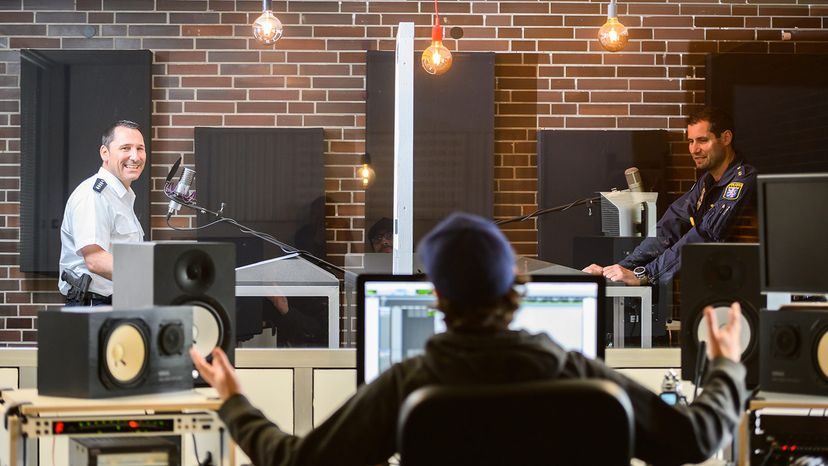
Creating a podcast is less intimidating than it sounds. You do not need a studio or expensive gear to begin. Your smartphone or computer is enough. If you skip specialized apps, the workflow is straightforward.
Plug a microphone into your PC. Install a recorder. Audacity is a solid, free choice for Windows, Mac, or Linux. Record your audio. Save the file. Upload it to a host like Podbean, Spreaker, Buzzsprout, or Anchor. These platforms handle analytics and monetization.
Decide on your release cadence. Weekly? Daily? Monthly? Consistency keeps listeners coming back. Record several episodes ahead to stay ahead. Plan your topics in advance.
You can script everything. Or just talk. Modern editing software makes fixing mistakes easy. Keep it relaxed. Have fun.
Growth and Promotion
Listeners become your best advertisers. Word-of-mouth spreads fast. You can also pitch your show to larger podcasts with similar audiences. This cross-promotion brings in new ears.
Video is an option, too. Record a video version of your audio. Upload it to YouTube. Add animation or film clips if you want. It expands your reach.
Eventually, you might upgrade your gear. A better mic. A dedicated space. Do not rush this. Try podcasting first. Spend money later.
Podcasting Software
Use these tools to create and listen:
– Anchor (Android, iOS)
– Spreaker (Android, iOS)
– Podbean (Android, iOS)
– GarageBand (iOS, Mac OS)
Frequently Asked Questions
How can podcasters monetize their content besides ads?
Crowdfunding on Patreon. Premium subscriptions. Selling merchandise.
What are some common podcasting formats?
Interviews. Solo commentary. Co-hosted chats. Storytelling. Hybrids of these styles.

