The 1984 Macintosh launch wasn’t just a product drop. It was a cultural shockwave. Steve Jobs didn’t just release a computer. He released a vision. Before that January day, personal computing was a text-based purgatory. Users typed cryptic commands to navigate file systems. It was tedious. It was unforgiving. The Macintosh changed that by introducing a graphical user interface (GUI) to the mainstream. It wasn’t the first system to try this. Other projects existed in labs. But the Mac was the first to make it stick with regular people.
This success sent ripples through Silicon Valley. Competitors realized the GUI was no longer a gimmick. It was the future. Microsoft started investing heavily in its own graphical OS. The market shifted overnight.
Fast forward three decades. Look at a modern Mac. The interface is sleek. It is polished. It feels effortless. But this smoothness is an illusion of time. macOS didn’t spring fully formed from Jobs’ mind. It is a Frankenstein monster of acquired code, failed internal projects, and brilliant engineering. To understand how macOS works today, you have to look at the messy history behind it.
The NeXT Connection
After the Macintosh hit stores, Apple’s internal politics imploded. Steve Jobs, the charismatic co-founder, clashed with the executive team. He was pushed out. By 1988, he had resigned.
Jobs didn’t disappear. He built a new company. He called it NeXT Computer. The operating system running it was called NeXTSTEP. It was sophisticated. It was advanced. It was built on UNIX standards.
NeXT never conquered the consumer market. Sales were niche. But the technology was high-end. It attracted attention from academics and early adopters. Tim Berners-Lee used a NeXT machine to create the first website. That’s right. The World Wide Web itself was built on NeXT hardware.
Meanwhile, Apple was struggling. Microsoft Windows was gaining ground. The market share gap widened. Apple executives panicked. They looked for an out. They considered leasing an OS from IBM. They looked at other sources. They were desperate for a modern foundation.
Then came the phone call. Jobs called Apple. He pitched his technology. He pitched his return. The deal was struck. Apple acquired NeXT in 1997. Jobs came back. And he brought the operating system with him.
Building Mac OS X
Acquiring NeXT wasn’t just buying a company. It was buying the future of Apple’s software. Apple began merging NeXT technology with the legacy Mac OS. They didn’t stop there. They also looked inward.
There was an internal project called Copland. It was meant to be the next-gen Mac OS. It failed. Miserably. The code was messy. The timeline was impossible. Apple scrapped Copland. They pivoted to NeXT.
In September 1997, Jobs became interim CEO. The strategy crystallized. The new OS would be a hybrid. It would have the stability of NeXTSTEP (which was UNIX-based) wrapped in the familiarity of the Mac interface.
The announcement came a year later. Mac OS X. The “X” stood for ten. It was the tenth major generation of the Mac operating system. It was a fresh start.
Jobs revealed the first build to developers on March 16, 1999. The technical name was Mac OS X 10.0. But Apple gave it a secret codename. Cheetah.
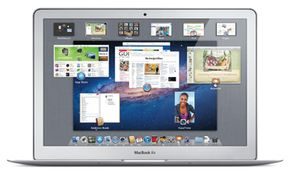
This naming convention stuck. Every subsequent version got a big cat name. Snow Leopard. Lion. Mountain Lion. Mavericks. The pattern became part of Apple’s brand identity. As of this writing, the latest version is Mac OS X 10.7, known as Lion.
The journey from Cheetah to Lion shows a clear evolution. It shows Apple learning to blend legacy with innovation. It shows how a near-collapse led to one of the most stable operating systems in history.
What Does an OS Actually Do?
Before we dive deeper into the technical architecture, let’s pause. We take operating systems for granted. We click icons. We drag windows. We assume the computer understands us. But what is actually happening under the hood?
An operating system is the intermediary. It sits between the hardware and the software. Without it, your applications would be talking directly to