While the U.S. government points to stable treatment numbers as proof of success, new data suggests that the foundation of the global fight against HIV is fracturing. Following the Trump administration’s decision to slash foreign aid in early 2025, the President’s Emergency Plan for AIDS Relief (PEPFAR) is facing a crisis of prevention and outreach that could trigger a long-term surge in new infections.
The Illusion of Stability
At first glance, the official data released by the State Department for the final quarter of 2025 appears reassuring. Approximately 20 million people continued to receive antiretroviral drugs—roughly the same number as the previous year. From a purely humanitarian standpoint, this means millions of people living with HIV are staying alive.
However, health experts warn that focusing solely on “treatment continuity” is a narrow view of a complex epidemic. While the administration has prioritized keeping existing patients on medication, it has significantly weakened the “architecture” required to stop the virus from spreading to new hosts.
A Breakdown in Prevention and Detection
The true impact of the funding cuts is revealed when looking at the metrics that drive long-term epidemic control: testing, PrEP (pre-exposure prophylaxis), and community outreach.
The data for the last quarter of 2025 shows a sharp decline in several critical areas:
* HIV Testing: A 17% drop in testing (4 million fewer people tested) compared to the previous year.
* New Treatments: A 16% decline in people newly starting HIV treatment.
* PrEP Enrollment: A staggering 41% drop in new enrollments for the preventative daily pill.
* Follow-up Care: A nearly 60% decrease in people returning for necessary follow-up appointments.
These numbers indicate that PEPFAR is losing its ability to find “hidden” infections. In the fight against HIV, finding an undiagnosed person is just as important as treating a known patient; without testing, the virus continues to circulate undetected.
The Erosion of the Frontline Workforce
The decline isn’t just about drugs; it’s about people. Analysis shows that the direct service-delivery workforce fell by 24% following the aid freeze. The most significant losses occurred among community health workers and case managers—the very individuals responsible for reaching marginalized and “hard-to-reach” groups.
This loss of human infrastructure is particularly damaging for high-risk populations. For example:
* The DREAMS program, which supports adolescent girls and young women, saw participation plummet from nearly 2 million in 2024 to just 253,000 a year later.
* Prevention programs specifically targeting key populations (such as sex workers and people who inject drugs) dropped from 3 million participants to effectively zero.
The Danger of “Thin” Data
Beyond the immediate loss of services, a more systemic problem is emerging: a lack of transparency. Under the new “America First Global Health Strategy,” many reporting requirements have become optional. Data regarding tuberculosis care and specific key populations is no longer being consistently tracked.
This creates a “data vacuum.” For decades, PEPFAR’s success was built on its ability to provide granular, real-time data that allowed officials to spot failures and course-correct. Without this visibility, health officials may be flying blind.
“You could celebrate success on treatment continuity,” said Jirair Ratevosian, a former PEPFAR chief of staff. “But you could also look under the hood and see a complete architecture falling apart.”
The Looming Crisis
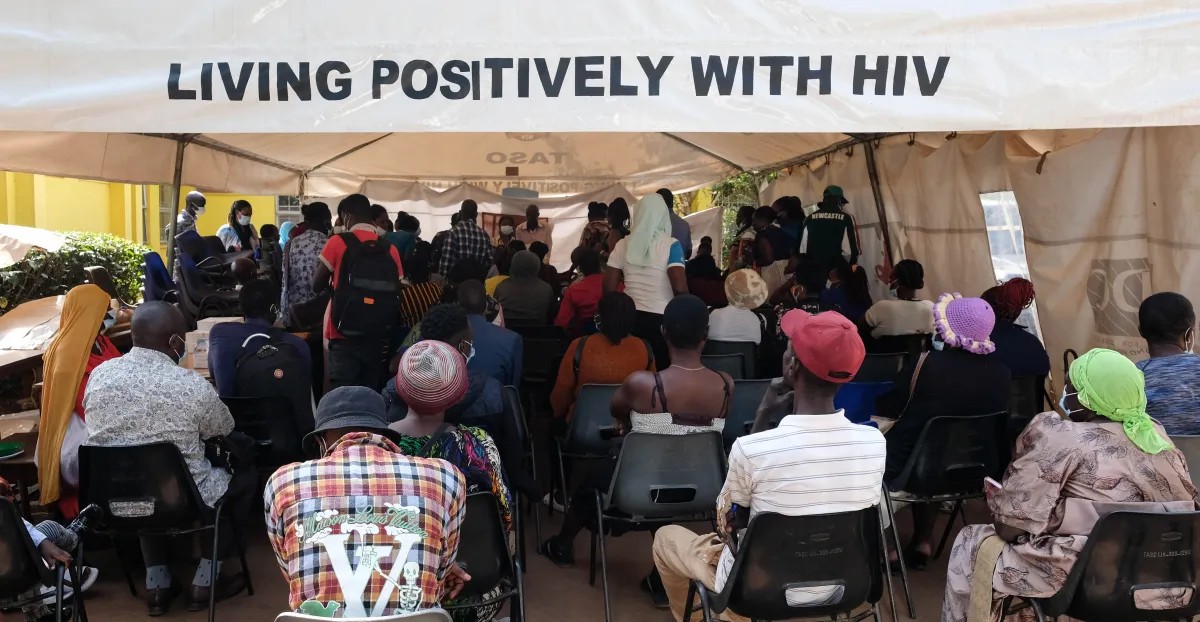
The consequences of these cuts may not be immediately visible in the headline numbers, but they are already appearing in local clinics. In parts of Zambia, hospitals have reported a sudden, sharp spike in advanced AIDS cases—a direct symptom of delayed diagnosis.
While the current strategy keeps the living stable, the collapse of testing and prevention infrastructure suggests that the world is moving toward a “hidden crisis.” If the goal is to control the epidemic by 2030, the current trend of prioritizing drug delivery over systemic outreach may make that goal impossible to reach.
Conclusion: While PEPFAR remains successful at delivering life-saving drugs to those already infected, the drastic reduction in testing and prevention services threatens to trigger a massive wave of new HIV infections that could overwhelm the system in the coming years.