- A theater seat sticky with popcorn butter. I ignored the trailers. Stared at my phone. Then silence. The Blizzard logo faded in. Dark screen. Bright colors popped out next.
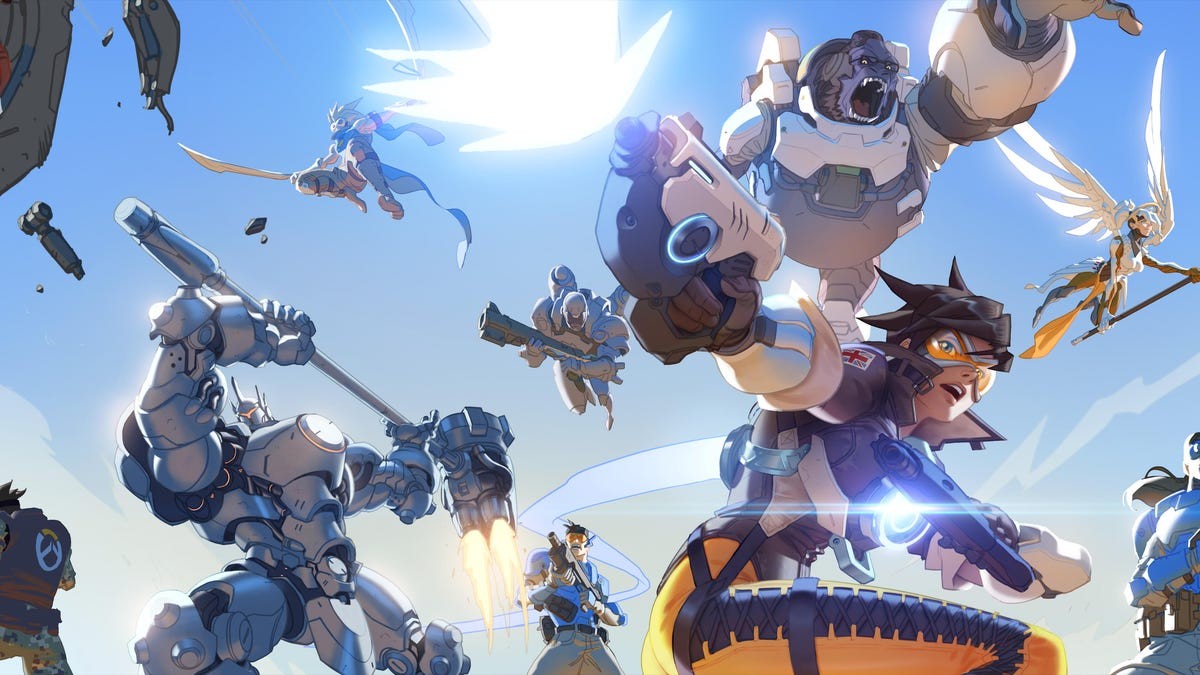
Heroes standing tall. Accents from every corner of the earth. They talked about hope. About justice. Then Winston—the gorilla with the glasses—said it.
“We are Overwatch.”
I pulled my phone back up immediately. Looked up this strange, colorful shooter. Didn’t get in until months later. My friend had the disc. I sat down. It was confusing. It was bright. It hurt my brain. I liked it.
Youtube tutorials at 3 AM became my new hobby. Then my sister bought me the game. I didn’t stop since.
The Visual Hook
Let’s be honest. The graphics got me first.
When I clicked that menu? Mercy jumped out at me. Halo. Wings. She looked like she healed things. So I played her. Two years. Hundreds of hours. Just her.
Why? Not for the mechanics. Not the numbers.
For the fantasy. She flew down from the sky. She saved the kid. That was the deal.
“You look at each hero… and you start wondering what they can and their role,” Aaron Keller said back when the game launched.
He’s right. The roster is the bait. The fish hook.
I play Ana and Ashe now. Mercy barely sees daylight. But I still scan the new hero reveal trailers like I’m scanning a menu at a fancy restaurant. What are they? What do they do? Anran dropped earlier this year? I picked her up immediately. Just by looking at her.
The world behind the guns matters too. Not just the stats. The vibes.
Scott Lawson from the audio team talks about Junkertown. They went to a mining town that looked frozen in time since 1910. Trains. Gears. Tension wires. They recorded all of it. That mechanical hum you hear? Real life. Synced up to create an identity for the map.
It builds a place. A cohesive mess of history and color.
The Strangers in the Lobby
Here’s the truth that no one talks about enough.
Overwatch didn’t just entertain me. It connected me.
I’m an introvert. Deep cuts. I work from home. My social circle? Non-existent mostly. Until 2017.
I needed to talk to people. I found strangers. In a lobby.
It started as casual Friday night gaming. Ended as a Facebook group spanning three continents. We organized matches. We printed jerseys with each other’s handles. I flew to a different state. We met. We stood together. Weird, right? Meeting people online who end up being real friends.
One guy lives in Japan. I met his voice through an Xbox party chat nearly a decade ago. We queue together every single week. Every. Single. Week.
I even got competitive. Played flex support during the pandemic lockdowns. Ana, Zenyatta, Baptiste. My team made it to the finals of an open tournament. Heartbreaking loss. Incredible memory.
Then the job changed. I started covering the Overwatch 2 beta for CNET. Writing replaced playing, mostly. But last fall? I grinded. I hit Master rank. My career peak.
And my Japanese friend? He was the emcee at my wedding last year.
Who does that happen to?
The Pain of Growth
2026 isn’t 2016. Obviously.
The game bled changes. Some good. Most painful.
Remember July 2016? Hero limits introduced in competitive. You couldn’t bring three Lucios and three Reins to the fight anymore. Someone picked a hero? Gone. Off the map for the team. Stability over chaos. The first nail in the coffin of “free-for-all.”
Then came 2019. Role Queue. Lock-in tank, DPS, or support. You’re stuck with it until the match ends. Divisive. Hated by some. Loved by others who were tired of randoms refusing to play their lane.
Then… the big one. Five versus five.
Sixv5 was too long. Too empty. Blizzard dropped a tank slot. One tank per side. It tore the community apart. Queues for damage players took forever because tanks were extinct. When 5v5 dropped? The base split down the middle.
Timing? Terrible.
Blizzard was silent. No new heroes for two and a half years. No new maps. Just two Deathmatch lobbies. Meanwhile, the company faced lawsuits. Discrimination scandals. Mass firings. The dark cloud of corporate mismanagement hung over every match.
Overwatch 2 launched. Fewer tanks. Locked heroes. $19 skins.
And the promises? Broken. Talents? Gone. Story mode? Paid installments that nobody cared about.
“Never accept the world as it appears,” Winston’s mentor said. “Dare to see it for what it could become.”
The developers seemed to hear it. Maybe late.
Under Microsoft, things shifted. Heroes got freed from Battle Passes. Devs started posting updates again. Director’s Take. Stadium Mode. Perks system. The silence ended. The game got polished. Not fixed perfectly? No. But playable again. Curious players returned.
Still Playing
They brought back “Classic” for the tenth birthday. No hero bans. Original roster. Original damage values.
My duo partner and I logged on. Joke attempt: We both queued Widowmaker.
The whole team did. Six Wids.
Enemy team? Six Torbjorns. Turrets everywhere.
We crawled around the map. Cautiously. Every corner checked. Turret vision was deadly. We died a lot. Laughed a lot. It was messy. It was broken.
And it was exactly the kind of chaotic freedom we forgot we loved.