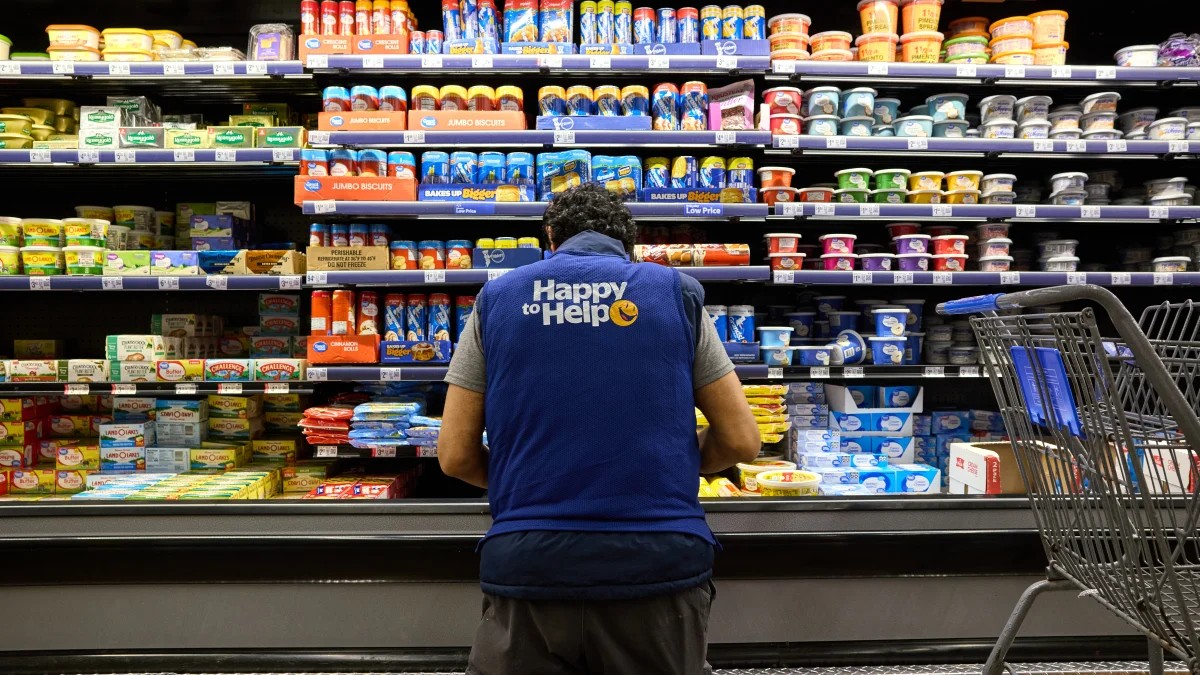
Grocery prices are surging, leaving many American households struggling to afford basic necessities. While federal assistance programs face political headwinds, individuals are forced to adapt by seeking out deals, leveraging online resources, and relying on community support. The situation demands strategic shopping, and fortunately, several options exist for those willing to explore them.
The Shifting Landscape of Grocery Costs
Since 2020, food prices have risen over 29 percent nationally. But the impact isn’t uniform; access and pricing vary significantly by location. Food deserts —areas lacking major grocery stores—already faced inflated costs, a problem now worsening. Meanwhile, the gap between in-store and delivery prices is widening.
Advocates propose solutions like publicly-funded grocers or expanding nonprofit co-ops, mirroring successful models like military stores, to counter profit-driven corporate pricing. But until systemic change occurs, shoppers must navigate the current reality.
Where to Shop for Savings
For mainstream options, several stores consistently offer lower prices: Walmart, Aldi, Lidl, Grocery Outlet, WinCo, and Trader Joe’s – often relying on private-label brands. If feasible, wholesale clubs like Costco can provide even greater savings through bulk purchasing. Don’t overlook local mom-and-pop grocers or nearby farms, which may beat big-box prices.
Digital Deals and Apps: Your New Shopping Toolkit
Traditional newspaper circulars are increasingly moving online. Check for weekly digital deals at stores like Aldi and Kroger. Dedicated apps streamline the process:
- Flipp: A digital circular aggregator with loyalty account integration.
- Flashfood: Connects shoppers with nearby deals and pickup options.
- Slickdeals & Coupons.com: Feature discounts from major retailers.
- Too Good To Go: Offers “surprise bags” of surplus food from local restaurants and grocers.
- Lemontree: Distributes free produce and pantry items (select East Coast cities).
Be cautious of hidden fees, like reinstated basket charges from some retailers, and consider the privacy implications of store loyalty accounts.
Online Communities and Budget Influencers
A wealth of grocery hacks exists within online communities. Subreddits like r/budgetfood (77,000 weekly visitors) and r/frugal (1 million weekly visitors) share meal-planning and shopping strategies. Social media creators are also leading the charge:
- Dollar Tree Dinners (3.5 million followers): Viral account with ultra-low-cost meal ideas.
- TikTok accounts like @itsmekatevee and @at.home.cook share budget recipes and hauls.
- YouTube channels like Frugal Fit Mom and Julia Pacheco offer additional resources.
When to Seek Assistance
If you need help, don’t hesitate to explore food assistance programs. SNAP, WIC, and TEFAP work with national food banks to bridge gaps in household budgets.
To find local food banks, use Feeding America’s online search tool or call 866-3-HUNGRY (866-348-6479).
The current economic pressures are forcing Americans to adapt. By combining strategic shopping with community resources and digital tools, it’s possible to navigate rising grocery costs and maintain access to affordable food.