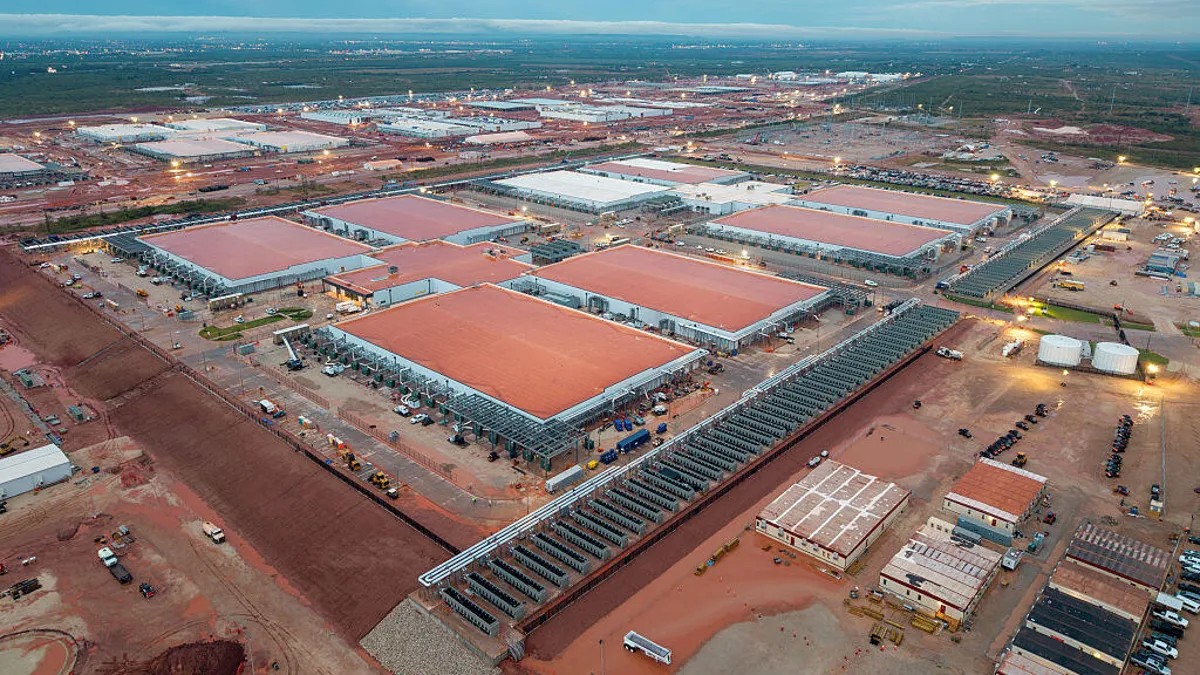
The rapid expansion of AI data centers across the US is facing increasing backlash from communities concerned about their strain on resources and local infrastructure. Now, in a move designed to quell public outcry, President Trump and several Big Tech giants have signed a non-binding agreement to cover the costs associated with powering these facilities. The question remains: will this pledge actually protect ratepayers, or is it just a PR maneuver?
The Growing Concerns Around Data Centers
AI data centers are notorious for their massive electricity and water consumption. According to estimates, a single chatbot query can demand ten times the energy of a standard Google search, and OpenAI alone processes over 2.5 billion prompts daily. This translates to staggering resource usage: Google’s Iowa facilities consumed 1.4 billion gallons of water in 2024, while Meta’s used 1.39 billion gallons in 2023.
The impact extends beyond water usage. Communities are already fighting back against data center construction, with at least 25 projects blocked in 2025 in places like Tucson, Arizona, and Conshohocken, Pennsylvania. Residents fear rising utility rates, environmental degradation, and the sheer land footprint of these massive facilities. A recent Carnegie Mellon study predicts electricity bills could rise by up to 25% in some areas by 2030 due to data center demand.
Trump’s “Ratepayer Protection Pledge”
On Wednesday, Amazon, Google, Meta, Microsoft, xAI, Oracle, and OpenAI leaders signed what President Trump called a “historic win” for American families. The pledge commits companies to four key points:
- Covering the cost of power delivery infrastructure upgrades.
- Negotiating separate rate structures with utilities.
- Providing backup generation resources during emergencies.
- Hiring local talent.
Trump asserts that this will prevent data centers from driving up electricity costs for consumers. However, the agreement lacks any enforcement mechanism, making it essentially voluntary.
The Devil Is in the Details (and the Lack Thereof)
The Trump administration admits enforcement will fall to state governments and local utilities through negotiated rate structures, but the pledge doesn’t specify penalties for non-compliance. Anonymous sources within the administration acknowledge that tech firms will also need federal licensing for data center construction.
Critically, the agreement is silent on environmental impacts beyond power costs. The pledge does not limit water usage, land consumption, or other ecological concerns that drive local opposition.
“Some data centers were rejected by communities for that, and now I think it’s going to be just the opposite,” Trump said at Wednesday’s signing.
This statement suggests the administration aims to smooth over tensions rather than address the root causes of community resistance.
A Symbolic Gesture?
The Ratepayer Protection Pledge appears designed to defuse public anger over rising costs, particularly in an environment where everyday goods and utilities are becoming increasingly expensive. But without concrete enforcement, it’s likely little more than a symbolic gesture.
The long-term effectiveness of this agreement hinges on whether state and local authorities are willing and able to hold Big Tech accountable. Otherwise, the pledge risks becoming another unenforceable promise that leaves communities bearing the brunt of AI’s growing resource demands.