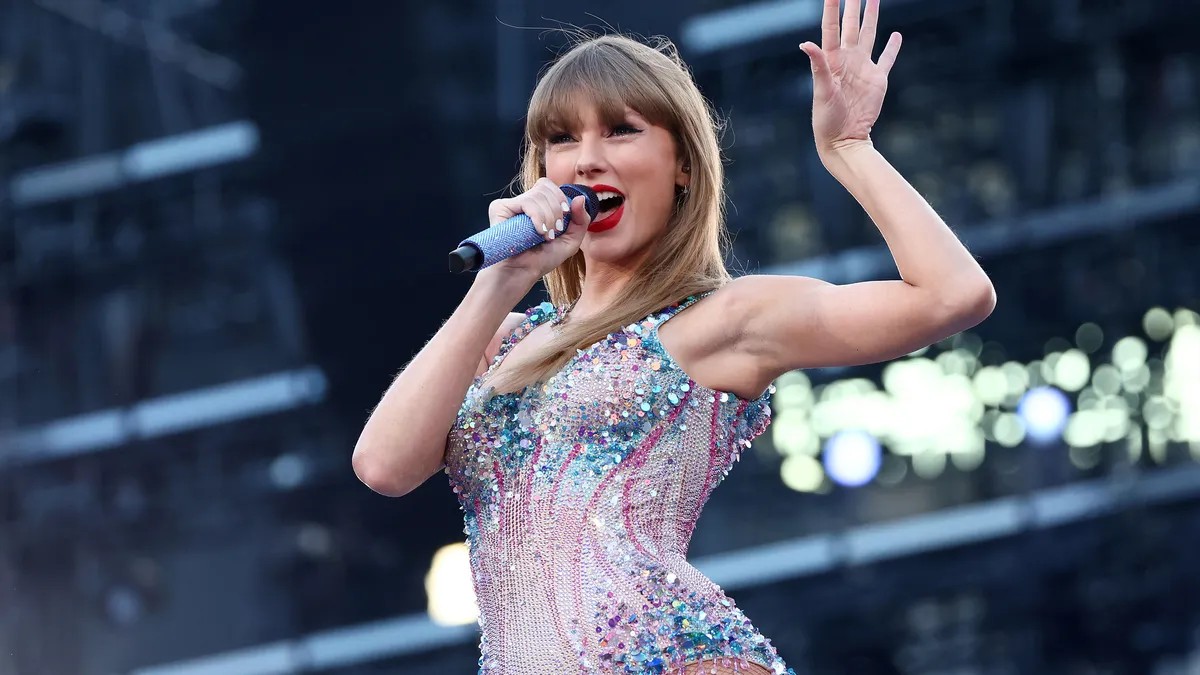
Taylor Swift’s latest music video, “Opalite,” was released Friday but remains unavailable on YouTube. The delay isn’t technical; it’s strategic, driven by a growing conflict between YouTube and Billboard over how streaming numbers are calculated. The video will arrive on YouTube Sunday, February 8th, two days after its debut elsewhere.
The Core of the Issue: Streaming Weights
The dispute centers on Billboard ‘s weighting system for music charts. In December, Billboard increased the value assigned to paid (subscription-based) streams relative to ad-supported streams. This isn’t new; the company began favoring paid streams in 2018, but the latest change makes the gap wider. Previously, one paid stream counted as one-third of an ad-supported stream; now it’s 1:2.5. This puts platforms like YouTube, which rely heavily on ad-supported views, at a disadvantage.
YouTube publicly criticized the change, calling Billboard ‘s formula “outdated” and arguing that it unfairly excludes a large segment of fans who use the ad-supported service. The platform has announced it will stop providing streaming data to Billboard entirely starting January 16, 2026.
Why This Matters to Artists
For artists like Taylor Swift, early chart performance is critical. Billboard rankings influence radio play, award eligibility, and overall visibility. By delaying the YouTube release, Swift and her team are likely aiming to maximize initial chart impact on platforms that weigh streams more favorably.
YouTube boasts 125 million paid subscribers (Premium and Music), but its total user base is estimated at 2.5 billion, the vast majority of whom rely on the free, ad-supported service. This means YouTube’s numbers could be significantly undervalued under the new Billboard methodology.
“Every stream should count fairly and equally… every fan matters,” YouTube stated in response to the weighting change.
The situation highlights a fundamental tension in the modern music industry: how to accurately measure engagement when consumption happens across so many different platforms and payment models. The outcome remains uncertain, but the delay of “Opalite” is a clear sign that artists are willing to adjust release strategies to navigate the evolving landscape of streaming charts.