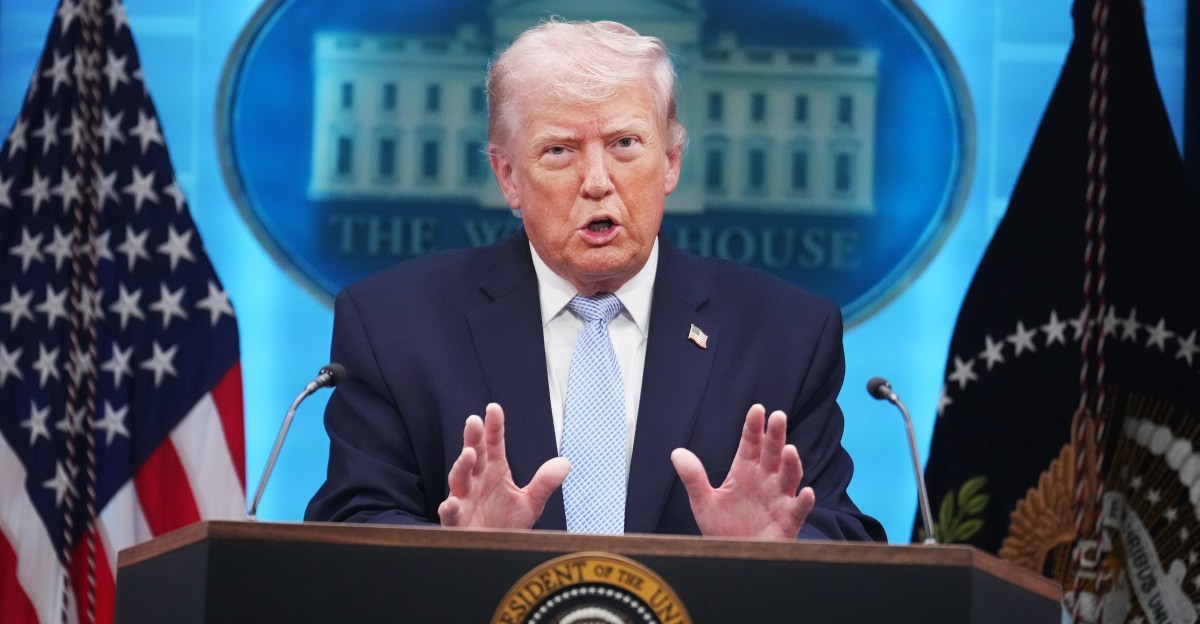
For years, political analysts and investors have used a specific shorthand to describe Donald Trump’s unpredictable governing style: TACO —an acronym for “Trump Always Chickens Out.”
The theory suggests that while the President frequently issues extreme, bellicose threats, he ultimately lacks the appetite for the actual pain—economic or political—that those threats would cause. However, recent events in Iran suggest that this theory may be dangerously incomplete. A more accurate, albeit more unsettling, framework is emerging: the “Soft TACO” theory.
The Original Theory: Trump as a Reality TV Star
The TACO concept was originally designed as an antidote to the idea that Trump is an unhinged authoritarian. Instead, proponents of the theory, such as Financial Times columnist Robert Armstrong, argued that Trump is a “gifted reality TV star” driven by pragmatism rather than ideology.
Under this view, Trump’s extreme rhetoric is a negotiation tactic. If a tariff threat or a military escalation causes markets to crash or his political base to revolt, he retreats. The assumption is that his tolerance for pain is low, making him predictable in the long run.
The Flaw in the Logic: The Cost of “Backing Down”
The problem with the TACO theory is that it ignores the residual damage left behind after a retreat. If a leader sets a house on fire and then decides to put it out, he hasn’t “chickened out” in a way that negates the destruction; he has simply stopped the fire after much of the structure has already burned.
The recent conflict in Iran serves as a stark warning. While Trump eventually accepted a ceasefire, the preceding month of warfare killed hundreds of civilians, destabilized the Middle East, and caused significant global economic disruption. To call a ceasefire after such devastation a “climbdown” ignores the heavy toll paid by the world while waiting for that retreat.
The “Soft TACO” Framework
The “Soft TACO” theory proposes a more nuanced reality: Trump does often back away from his most extreme impulses, but his tolerance for chaos is much higher than many realize. He doesn’t necessarily retreat because he is afraid of the consequences; he retreats when the blowback becomes too intense to manage.
This pattern is visible across several key areas of his administration:
- The DOGE Purge: After allowing Elon Musk to aggressively dismantle the federal bureaucracy—resulting in 350,000 job losses and the shuttering of vital agencies—Trump eventually reined in the chaos. He moved from a “hatchet” approach to a “scalpel,” but the structural damage to the government remains.
- “Liberation Day” Tariffs: Following a week of market turmoil triggered by massive new tariffs, Trump announced a 90-day pause. However, the “retreat” was partial: effective tariff rates remain significantly higher than they were before his term.
- Immigration Enforcement: In early 2025, aggressive, militarized enforcement in cities like Minneapolis led to the deaths of two Americans. The resulting public outrage forced Trump to remove top DHS officials and pivot to a quieter, less visible enforcement strategy. He didn’t abandon the policy; he just changed the optics.
The Peril of Predictability
Perhaps the most dangerous aspect of this pattern is that Trump appears to have internalized it. There is a growing sense that he believes he can provoke a crisis, push the world to the brink, and then “rein it in” once the pressure becomes unbearable.
This creates a cycle of self-provoked crises. By treating escalation as a tool that can always be retracted, he risks entering conflicts where the “undo” button does not exist. In the case of Iran, the stakes involve sovereign actors who may not respect his ability to de-escalate, and whose retaliatory strikes can cause economic damage that no ceasefire can repair.
Conclusion
The “Soft TACO” theory reveals a volatile governing cycle: Trump uses extreme threats to negotiate, but only retreats after significant damage has been done. This pattern suggests that while he may eventually back down, the “cost of doing business” under his administration is a recurring cycle of instability and destruction.