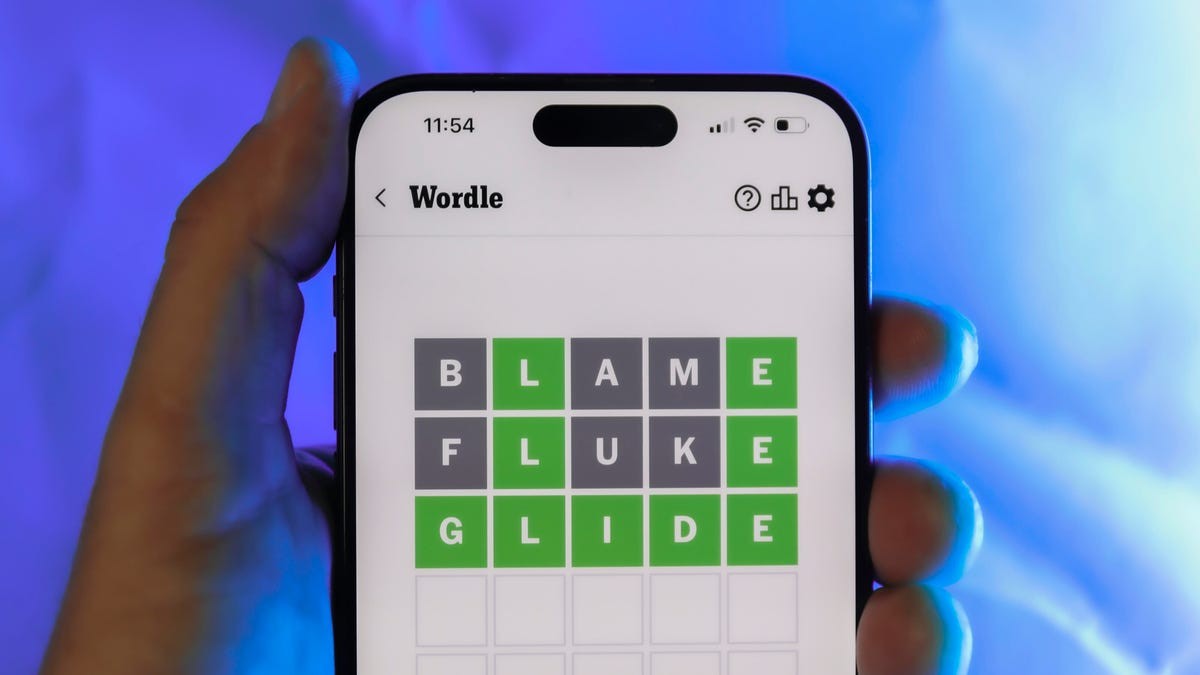
The daily ritual of solving The New York Times’ Wordle continues, with today’s puzzle (No. 1783) presenting a deceptively simple challenge. While the word itself is common, its specific letter composition—featuring three consonants that often fly under the radar in initial guesses—made it a tricky target for many players on May 7.
For those stuck on the grid, the solution is BUDGE.
Breaking Down the Puzzle
The difficulty of today’s Wordle lay not in obscure vocabulary, but in the strategic placement of letters. The answer contains no repeated letters and features exactly two vowels. For players who rely on standard starter words like “CRANE” or “SLATE,” the absence of common letters like ‘A’ or ‘O’ in their usual positions could lead to early false starts.
Here is how the clues narrowed down the possibilities:
- The Structure: The word begins with B and ends with E.
- The Meaning: The definition provided was “to move slightly or shift position.” This semantic clue is crucial, as it distinguishes the answer from other five-letter words starting with ‘B’ and ending in ‘E,’ such as “BEGAN” or “BEIGE.”
- The Consonants: The middle letters, U, D, and G, are the “tricky” elements mentioned in the preview. ‘G’ and ‘D’ are frequent, but ‘U’ as the second letter in a five-letter word starting with ‘B’ is less common than expected.
Strategic Takeaways
Today’s puzzle serves as a reminder of the importance of vowel diversity in early guesses. Many players assume ‘A’ or ‘E’ will dominate the word, but BUDGE relies on ‘U’ as its primary vowel sound carrier.
If you are looking to improve your future performance, consider these adjustments to your strategy:
- Diversify Your Starters: If your initial guess misses multiple vowels, pivot quickly. Words like AUDIO or TRAIN cover more vowel ground than traditional consonant-heavy starters.
- Avoid “Near Miss” Guesses: When you have a pattern like
_ _ A _ E, resist the urge to cycle through every word that fits (e.g., STARE, STATE, STALE). Instead, choose a guess that tests new consonants. For example, if you need to test ‘R’, ‘T’, and ‘L’, a word like TWIRL provides more information than a linear progression of similar words. - Mind the Repetition: Remember that letters can repeat in Wordle, even if today’s answer did not. A word like “SHEEP” or “LEVEL” requires different logic than “BUDGE.”
Recent Answers for Context
To help players track their streaks or verify past solutions, here are the recent Wordle answers leading up to today:
- May 6 (#1782): LIKEN
- May 5 (#1781): LATCH
- May 4 (#1780): RISER
- May 3 (#1779): PUFFY
- May 2 (#1778): BRING
Key Insight: The value of Wordle lies not just in finding the answer, but in refining your linguistic intuition. Today’s puzzle highlighted how common words can become difficult when they defy typical letter