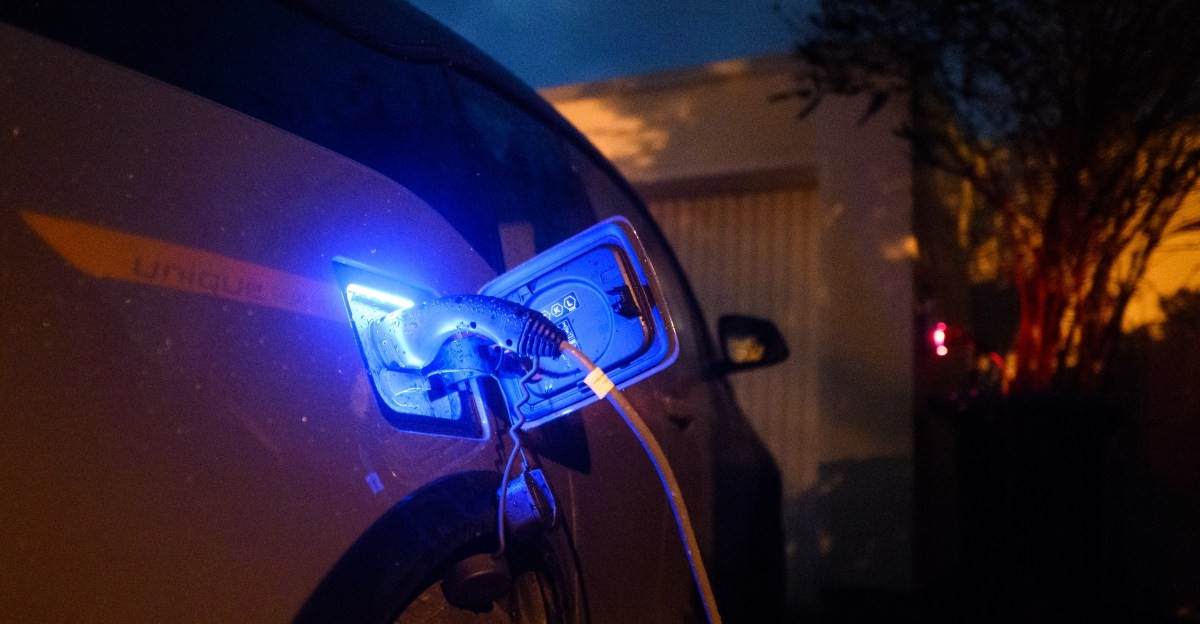
As the world shifts toward electric vehicles (EVs), a significant logistical challenge is emerging: the very cars meant to help the environment could inadvertently strain the electrical grid. When millions of drivers plug in their vehicles at the end of a workday, they create a massive surge in demand that coincides with peak household energy use.
However, a burgeoning technology known as Vehicle-to-Grid (V2G) offers a way to turn this potential burden into a powerful solution. Instead of just consuming power, EVs can act as mobile batteries that feed electricity back into the system during times of high demand.
The V2G Concept: From Consumer to Contributor
The core idea behind V2G is to create a decentralized network of backup power. By using the massive batteries already sitting in residential garages, utilities can tap into a vast, distributed energy reserve.
- During Peak Demand: When the sun goes down and electricity usage spikes, EVs can discharge power back into the grid.
- During Low Demand: When electricity is plentiful (such as late at night), vehicles charge up to ensure they are ready for the morning commute.
- Smoothing Renewables: This technology helps solve the “intermittency” problem of renewable energy—the fact that solar and wind power are not constant. V2G acts as a buffer, storing excess renewable energy and releasing it when the sun isn’t shining or the wind isn’t blowing.
The Infrastructure Bottleneck
While the potential is immense, a new study from the University of Michigan warns that V2G is not a silver bullet. Researchers modeling the San Francisco Bay Area found that technology alone cannot solve the looming demand crisis.
To truly harness the power of EVs, the physical grid must be upgraded. According to energy systems engineer Ziyou Song, the system requires proactive investments in new transformers and transmission lines. The study suggests that the most cost-effective approach is to upgrade the grid before the surge in EV adoption occurs, rather than reacting to strain after the fact.
Economic Incentives and Battery Health
For V2G to work, it requires “critical mass”—a large enough number of participants that the collective energy supply remains stable even if some users opt out. This creates several interesting economic and technical dynamics:
💰 Turning a Liability into an Asset
Participating in V2G programs could transform an EV from a depreciating asset into a source of income. Owners could be compensated for the electricity they provide to the utility, effectively lowering the total cost of vehicle ownership.
🔋 The Battery Life Debate
A common concern is whether the constant cycling of charging and discharging will degrade EV batteries faster. While this is a valid technical risk, experts suggest several mitigations:
– Battery Swapping: Some pilot programs propose replacing a user’s battery after a certain period of V2G service.
– Second-Life Use: When EV batteries drop below 70-80% capacity, they can be repurposed as stationary storage units for the grid, extending their total utility.
🕒 Managed Charging
V2G works best when paired with active managed charging. This uses smart algorithms to stagger charging times—for example, delaying a charge until midnight when demand is lowest—ensuring the car is ready by morning without stressing the system at 5:00 PM.
“V2G is really helpful, for sure — 100 percent. But just to some extent, V2G itself cannot resolve the charging demand of so many electric vehicles in the future.” — Ziyou Song, University of Michigan
Conclusion
Vehicle-to-Grid technology holds the promise of turning millions of parked cars into a massive, stabilizing battery for the planet. However, for this vision to become a reality, we must pair smart software with significant physical upgrades to our aging electrical infrastructure.