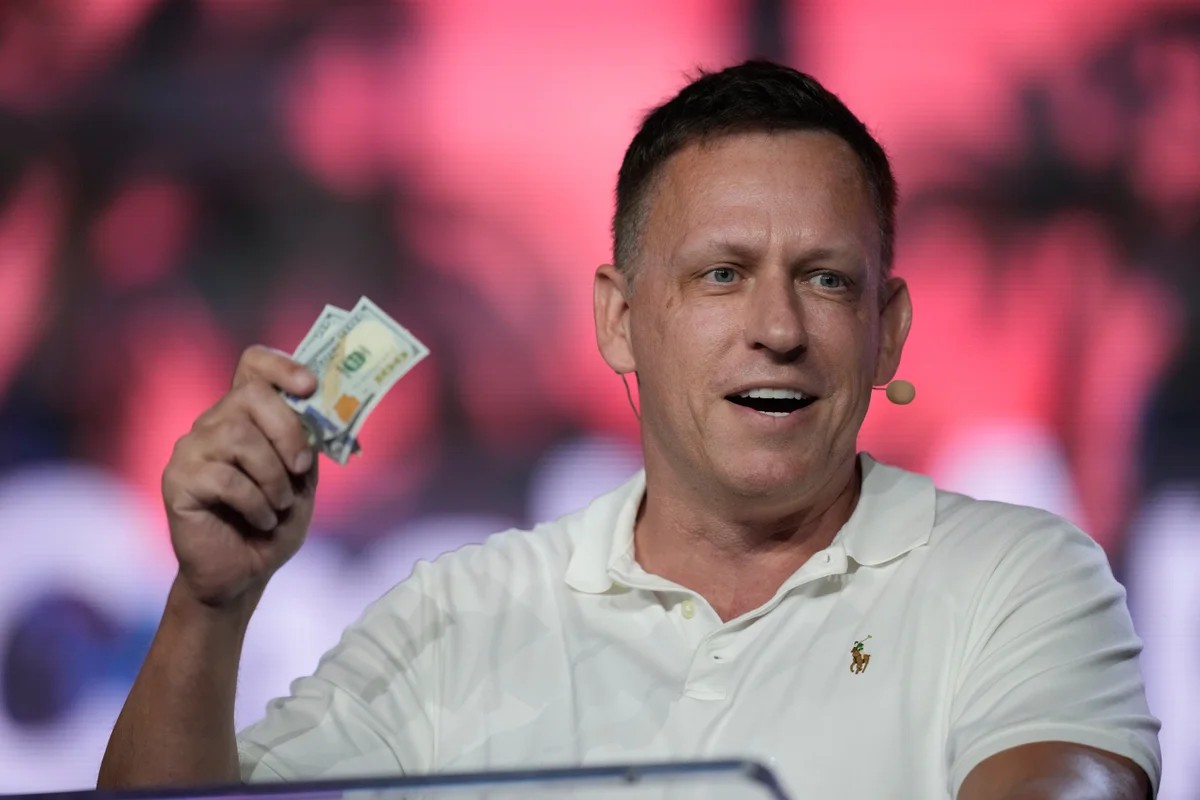
Silicon Valley investor Peter Thiel, co-founder of PayPal and Palantir, is conducting a series of exclusive, invitation-only lectures in Rome, focusing on his unconventional beliefs regarding the Antichrist and the imminence of global upheaval. These talks are taking place on the Vatican’s doorstep, following earlier criticisms of Pope Francis as a “woke American pope.”
The Lectures: A Deep Dive into Thiel’s Philosophy
The four-part lecture series began Sunday and continues through Wednesday at undisclosed locations, with no recording allowed. Thiel’s core argument—previously outlined in leaked recordings from a similar San Francisco event—posits that the Antichrist isn’t merely a figure of religious prophecy, but a force manipulating existential fears to consolidate power.
Thiel specifically identifies climate change, artificial intelligence, and nuclear warfare as potential tools used by this “Antichrist” to generate widespread anxiety, which would then justify moves toward a centralized, global governance structure and a slowdown in technological innovation. He views international bodies like the UN and the ICC with suspicion, seeing them as stepping stones toward this unified control.
Controversial Remarks and Political Connections
Thiel has openly mocked Pope Francis, labeling him “woke” and criticizing climate activists like Greta Thunberg as “anti-science Luddites.” He also speculated on the roles of various political figures—including Donald Trump, Vladimir Putin, and Alexandria Ocasio-Cortez—within his apocalyptic framework. The lectures are characterized by a mix of philosophical arguments, pop culture references (Swift, Tolkien, Watchmen ), and pointed jabs at other tech leaders like Bill Gates and Marc Andreessen.
Thiel’s political alignment is clear: he financially backed Donald Trump’s 2016 campaign, and his company, Palantir, is involved in White House renovations and ICE’s deportation efforts. His ties to Vice President JD Vance are equally strong, with Thiel having supported Vance’s early career and contributing heavily to his Senate bid.
Vatican’s Response and Broader Implications
Catholic theologians have reacted sharply to Thiel’s presence in Rome. Father Paolo Benanti has described the lectures as “heresy against liberal consensus,” arguing that Thiel presents a worldview where democracy is functionally dead, replaced by a technocratic order imposed by elites.
This isn’t merely an eccentric billionaire’s theological musings: Thiel’s influence in tech and politics means these ideas are circulating among powerful circles. The fact that he’s openly articulating such views—especially in proximity to the Vatican—raises questions about the future of technology, governance, and the role of fear in shaping global power dynamics.
The lectures highlight a growing distrust in institutions and a fascination with apocalyptic narratives, fueled by real-world threats like climate change and AI. Thiel’s perspective, however unorthodox, represents a significant undercurrent in the debate over the future of civilization.