Apple’s highly anticipated foldable iPhone, if it exists, will leverage its software to mimic the iPad experience when unfolded, according to a new report from Bloomberg. This approach suggests Apple’s primary goal is seamless multitasking, rather than creating a desktop-like environment.
Hardware Speculation and Key Details
The device is rumored to be compact when folded (iPhone-sized) and expand into an iPad mini-like display when opened. This aspect ratio is ideal for video and multitasking. While the hardware details remain unconfirmed, Apple is reportedly focused on eliminating the visible crease common in current foldable devices and ensuring extreme durability. The outer display will feature a punch-hole selfie camera, marking a first for Apple, and will rely on Touch ID rather than Face ID.
Software Implementation: iOS with iPad Features
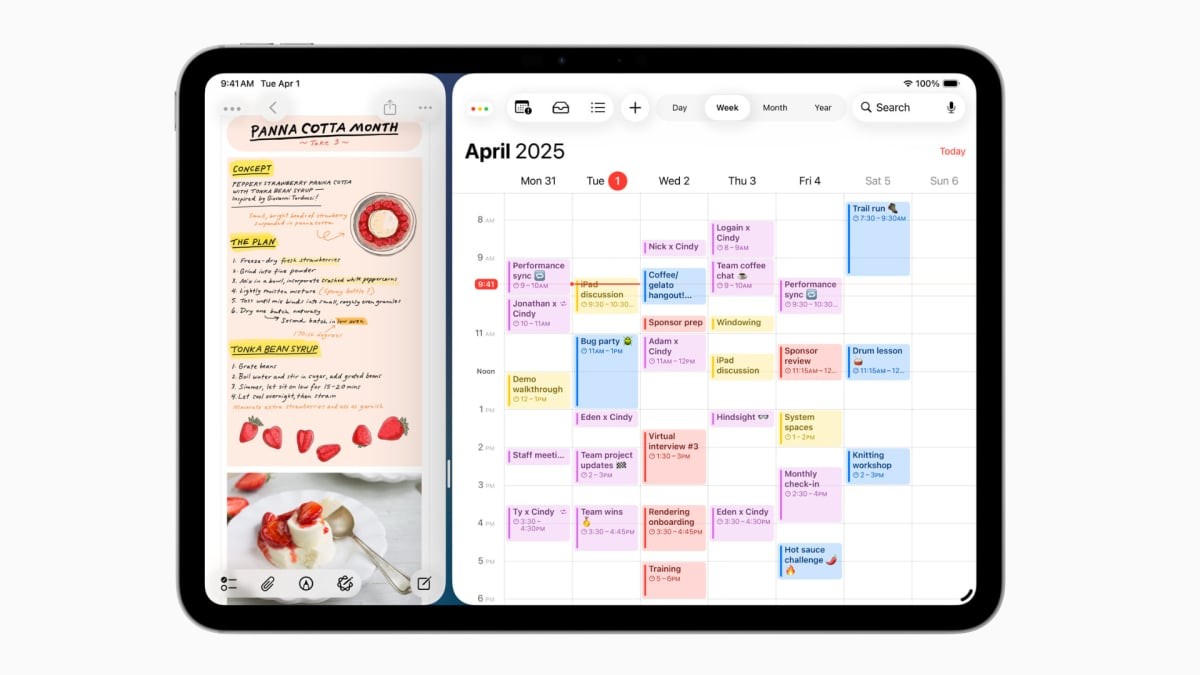
Instead of a full iPadOS experience, the iPhone Fold will run iOS but with added features allowing for side-by-side app usage, similar to the iPad. Developers will receive tools to optimize existing iOS apps for the wider screen, including sidebars for enhanced functionality.
Cost and Implications
The rumored price point of around $2,000 positions this device as Apple’s most expensive iPhone yet. This high cost suggests Apple is targeting a premium market willing to pay for innovative form factors and software experiences.
Apple’s focus on software adaptation rather than a radical OS shift indicates the company prioritizes simplicity and continuity within its ecosystem.
The shift to Touch ID, while a step back from Face ID for some, may be a calculated trade-off for durability and design flexibility in a foldable device. The combination of hardware and software improvements suggests Apple aims to deliver a refined foldable experience, rather than simply replicating existing designs.