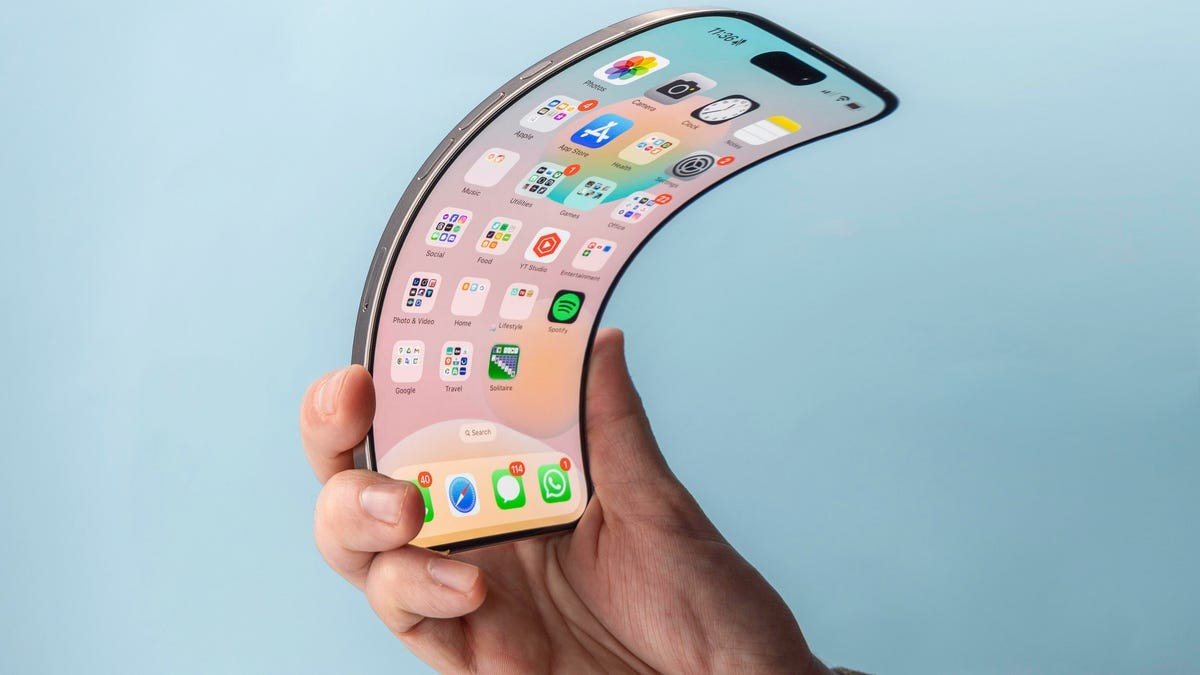
For years, Apple has resisted entering the foldable phone market, while competitors like Samsung, Google, and Motorola have already released multiple generations of their own devices. The delay is starting to look like a misstep. Foldable phones, though still a niche category, are gaining traction, and Apple risks ceding ground in the premium smartphone space.
The Rising Foldable Market
The foldable market isn’t mainstream yet, with around 20 million units sold globally in 2023 compared to Apple’s massive iPhone sales. However, the trend is significant. 20% of Motorola Razr buyers switched from Apple, signaling a growing demand for alternative premium form factors. Samsung dominates this space, with its Flip and Fold lines now in their seventh generation, while Apple remains absent.
This isn’t just about numbers; it’s about perception. Foldables are becoming normalized, especially in key markets like South Korea where Samsung holds significant influence. Delaying entry allows rivals to establish dominance, making it harder for Apple to disrupt the market later. Early adopters might settle into the Android ecosystem before Apple can offer a compelling alternative.
Apple’s Strategic Patience
Apple has historically waited to enter new markets until it can offer a genuinely competitive product. They didn’t invent smartphones, tablets, or smartwatches, but they perfected them. This approach has proven successful, but the foldable market is evolving rapidly, and waiting too long could be detrimental.
The current generation of foldables, while improving, hasn’t yet delivered a revolutionary experience. The hardware is decent, but software support remains fragmented, with few Android developers optimizing for the unique form factor. This is where Apple could excel: by leveraging its developer relationships and ecosystem control to create a foldable iPhone that’s more than just a bending screen.
The Need for Innovation
The biggest issue with current foldables isn’t the hardware; it’s the software. They largely run standard Android with minor UI tweaks, failing to fully utilize the foldable form factor. Apple could change this by fostering a dedicated developer ecosystem, ensuring apps are optimized for the device’s unique capabilities.
The author argues that current foldables feel like “me too” products, lacking the transformative potential of technologies like the touchscreen. Apple has a history of making existing products more useful and exciting, and a foldable iPhone could reignite that spark. The goal isn’t just to make a phone that folds; it’s to create a new way to interact with mobile technology.
The 2026 Deadline
The market will likely remain flat in 2024 and 2025, but Apple needs to act by 2026. This is the year it must launch its foldable iPhone to avoid falling behind. The author hopes that Apple will deliver an innovative product that genuinely excites consumers, rather than just adding another variation to the existing smartphone landscape.
If Apple can leverage its ecosystem and developer relationships, it has the potential to redefine the foldable category. The question isn’t whether Apple can make a foldable iPhone, but whether it will do so before the market moves on without it.