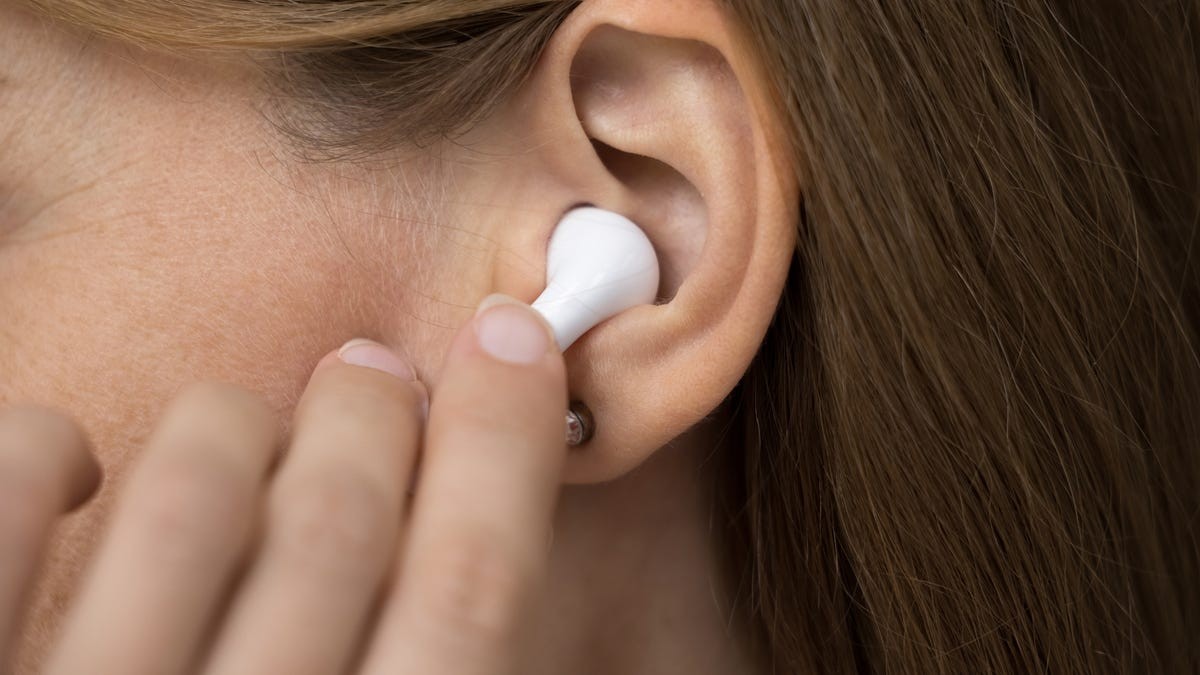
While earbuds have become an essential tool for modern life, they carry hidden risks that can lead to permanent auditory damage. From physical irritation to irreversible hearing loss, the way we use these small devices can have long-lasting consequences for our health.
The Physical Risks of In-Ear Devices
Beyond the sound itself, the physical design of earbuds poses several physiological challenges. Because they sit directly inside the ear canal, they can create an environment conducive to several issues:
- Infections: Earbuds trap heat and moisture within the canal, creating a breeding true for bacterial growth.
- Earwax Impaction: Frequent use can act like a plunger, pushing earwax deeper into the ear rather than allowing it to exit naturally.
- Irritation and Allergies: Improper fit can cause soreness, while certain materials used in earbud tips can trigger allergic reactions in sensitive users.
The Sound Danger: Noise-Induced Hearing Loss
The most significant threat is not the device itself, but the volume and duration of use. Audiologists warn that high-volume listening can permanently damage the delicate hair cells in the inner ear.
A common trap for users is the lack of noise cancellation. In loud environments, people instinctively “crank up” the volume to drown out background noise, often pushing the sound into unsafe decibel ranges.
Warning Signs to Watch For
Your auditory system provides signals when it is being overtaxed. Do not ignore these “red flags”:
* Tinnitus: Persistent ringing, buzzing, or hissing in the ears.
* Muffled Hearing: A temporary feeling of “fullness” or decreased clarity after a listening session.
* Sound Sensitivity: Becoming increasingly sensitive to everyday noises.
Note: While many users worry about Bluetooth radiation, experts clarify that current scientific evidence shows Bluetooth emissions are well below safety limits. The real danger remains sound exposure .
Strategies for Safer Listening
To enjoy your audio without sacrificing your hearing, experts recommend adopting specific habits and utilizing available technology.
The 60/60 Rule
A gold standard for ear health is the 60/60 rule : listen at no more than 60% of the maximum volume for no more than 60 minutes at a time. Audiologists suggest taking a 15- to 20-minute break for every hour of continuous use to allow the ears to rest.
Choosing the Right Hardware
Not all headphones are created equal. If you are concerned about ear health, consider these alternatives:
1. Over-the-ear headphones: These are generally safer as they sit outside the canal and do not concentrate sound as directly on the eardrum.
2. Noise-canceling headphones: These allow you to keep volumes lower by effectively masking environmental noise.
3. Open earbuds (Bone Conduction): These transmit sound through the bones of the skull rather than the eardrum, reducing moisture buildup and earwax issues.
Proactive Steps for Ear Health
If you are a frequent earbud user, take these steps to protect your hearing:
– Use built-in limits: Utilize “Headphone Notifications” or “Reduce Loud Audio” features on smartphones to monitor and cap your decibel exposure.
– Maintain hygiene: Keep your earbuds clean and avoid sharing them with others.
– Get a baseline: If you use earbuds daily, schedule a professional hearing test to establish a baseline for your auditory health.
– Avoid sleeping in earbuds: This minimizes the time your ears are under pressure and reduces the risk of infection.
“Hearing damage is gradual and cumulative, but it’s also largely preventable with smart and healthy listening habits.”
Conclusion
While earbuds are incredibly convenient, they require mindful usage to prevent permanent damage. By following the 60/60 rule and monitoring for symptoms like tinnitus or muffled hearing, you can enjoy your audio while safeguarding your long-term ear health.