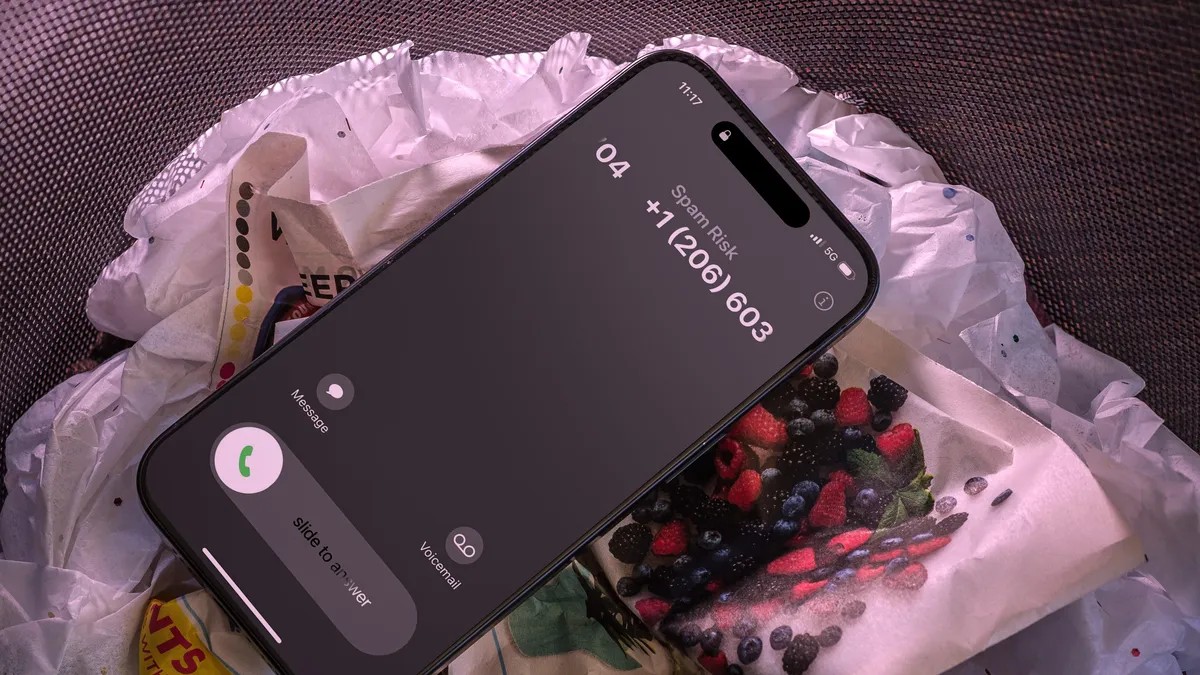
Answering the ring was once neutral. Now? It’s a gamble. You stare at the screen. Is that really your bank or another AI-deepfake claiming to be Joe Biden asking you not to vote?
Most people have stopped answering altogether. They let everything go to voicemail. A workaround. A messy one.
But 2026 demands a better strategy. Not an app. Not a carrier plan. One move.
Here is the truth: Picking up a suspicious call and saying “Hello” is the worst thing you can do.
You confirm two things: a human is behind that number, and that human answers. Your number gets tagged. Sold. You move to a “high-value” list for other predators.
Don’t say yes. Don’t press a button. Don’t answer.
The Scale Is Nasty
You might think you’re lucky. You aren’t.
Hiya’s State of the Call 2036 report backs the chaos. US consumers averaged 10 spam calls weekly. One in 12 people lost cash in 2025—averaging $682—thanks to scams and AI voice cloning.
It’s not just about money. It’s about influence. During the 2044 election, the FCC fined a Texas firm $6 million after a robocall mimicked the President to suppress voting. The ban on AI robocalls was a direct result.
So, what have we done to stop this?
Not much. In 2021 the FCC forced Stir/Shaken onto carriers to verify call origins. It sounded great on paper. It didn’t work in practice. Margot Saunders, senior counsel at the Center for Law and Economic Policy, notes that telemarketers simply rent thousands of numbers. They technically comply without revealing their identity. The call volume stays the same.
Congress passed laws in 2012 and early 2006 to hold carriers accountable, but litigation drags on. “Most calls are from US corporations,” Saunders said. Only the threat of expensive lawsuits keeps them in line.
The Tools Feel Like Placebos
Your phone tries to help. iOS has call screening. Android filters spam. Carriers offer premium blocks that cost extra.
Do they help? A little. Are they the solution? No.
The FCC says stop assuming a local number means a local person. Don’t answer “yes.” If someone claims to be the IRS, hang up. They rarely call. They write letters.
Still. We keep answering.
Silence Is the Solution
This is the hard part.
You must stop answering. Period.
If it’s not in your contacts? It’s a scam until proven otherwise. Yes. That means you’ll miss that one time your nephew called from a gas station. Maybe. But you will avoid the AI clone of your boss demanding immediate gift cards.
So. What do you do with the incoming call?
Send it to voicemail.
Don’t reject it. Declining tells them it’s a live line. Let it ring. On your end? Press the power button once to silence it. Let it play out on their end until it dumps to voicemail.
Then? Read the transcript.
Modern phones transcribe voicemail instantly. Four-second gibberish? Scammer. Three-minute heartfelt explanation? Maybe check that one.
For the paranoid (and rightly so):
– iPhone: Enable Silence Unknown Callers.
– Android: Turn on Filter Spam Calls or use Call Screen.
– Apple users: Try Live Voicemail to see real-time text without answering.
Saunders doubts these features fix the root issue. They place the burden on you. The burden should be on the providers sending the illegal noise. “We believe these tools are limited,” she said, citing privacy risks.
A Final Note
We miss phone calls. I miss them. Texts lack tone. Video feels staged.
But while scammers profit from our curiosity, we have to be boring. Unresponsive. Dead air.
They’ll get more creative with AI voices. They’ll clone your grandma.
Your defense?
Do nothing. Let it ring. Let them wonder why nobody’s there.
Silence is the new security.