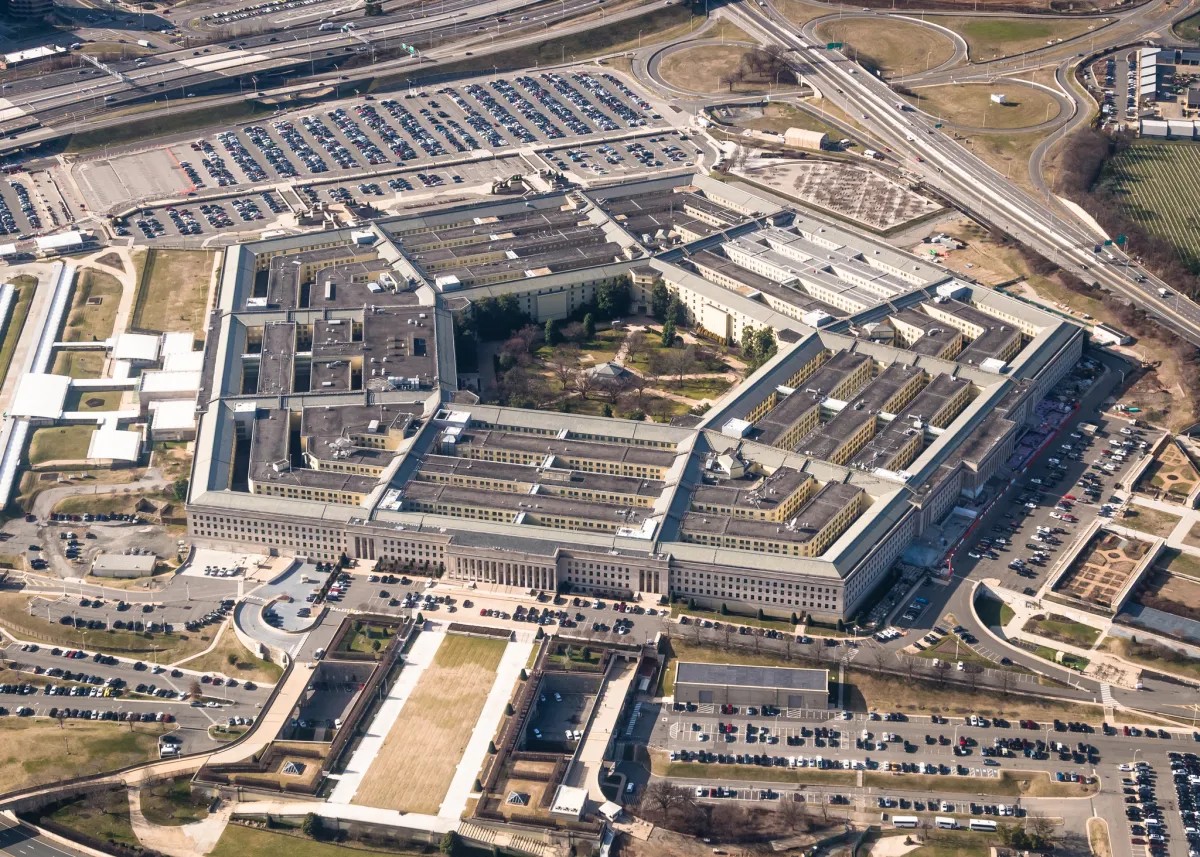
The recent clash between the Pentagon, Anthropic, and OpenAI over AI technology is raising serious questions for startups considering work with the federal government. Just weeks ago, Anthropic walked away from a deal with the Pentagon after being labeled a supply-chain risk by the Trump administration, while OpenAI quickly stepped in to fill the gap. This move sparked immediate backlash, with users deleting ChatGPT and pushing Anthropic’s Claude to the top of app charts.
The situation is unusual because both Anthropic and OpenAI publicly state a desire for restrictions on how their AI is used, yet the Pentagon attempted to alter existing contract terms – a move that industry experts say is “not normal” given the lengthy and rigid nature of government procurement.
Why This Matters: A Shifting Landscape?
The debate centers on the ethics of deploying AI in lethal contexts, a factor that draws far more scrutiny to these high-profile companies than to traditional defense contractors like General Motors, which has long supplied military vehicles with little public attention. This case highlights a growing tension between tech companies wanting control over their products and the government’s demand for flexibility in national security applications.
The Spotlight on AI vs. Traditional Defense
Unlike many established defense contractors operating under the radar, OpenAI and Anthropic produce tools widely used by the public. This visibility magnifies their involvement in military projects, creating intense public pressure. Meanwhile, companies like Applied Intuition, which market “dual-use” technology, may face less scrutiny simply because their products are less well-known.
Personality Clashes and Contract Instability
Adding to the complexity, personal animosity between Anthropic’s CEO and a high-ranking Pentagon official reportedly fueled the dispute. More critically, the Pentagon’s attempt to rewrite an existing contract signals a potential shift in how the government negotiates with tech vendors, raising concerns that future deals may be subject to unpredictable changes.
OpenAI’s move resulted in a 295% surge in ChatGPT uninstalls, demonstrating the public’s willingness to act on ethical concerns. This incident should serve as a warning to startups: working with the DoD now comes with heightened risk of political backlash and unstable contract terms.
The Pentagon’s actions are a clear sign that established procedures may no longer apply, and companies must carefully weigh the potential consequences before pursuing federal dollars.