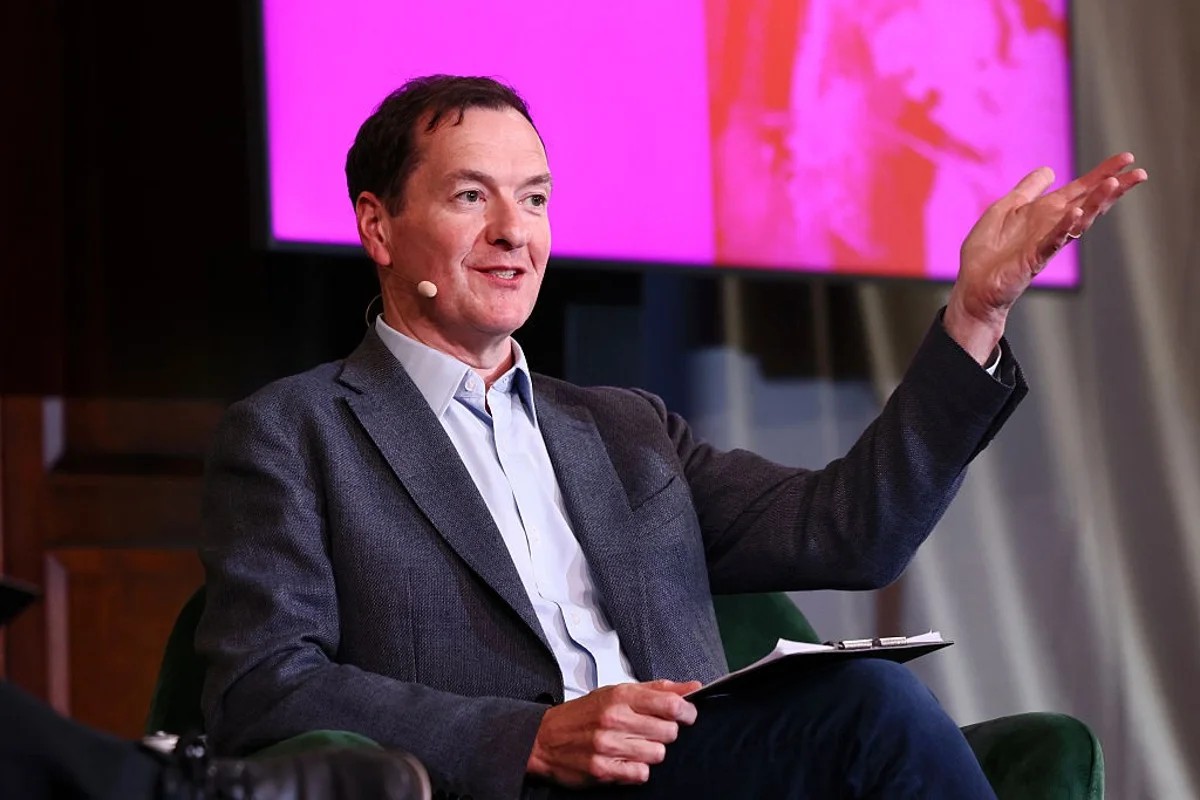
OpenAI, the creator of ChatGPT, has appointed former UK Chancellor George Osborne as managing director and head of its “OpenAI for Countries” initiative. This move signals a strategic push to integrate artificial intelligence into government operations globally, with a stated focus on “democratic values.”
Osborne’s Role and OpenAI’s Ambitions
Osborne, who served as Chancellor of the Exchequer from 2010 to 2016, will lead the firm’s engagement with governments worldwide. He described OpenAI as “the most exciting and promising company in the world right now,” indicating his confidence in the firm’s trajectory.
The “OpenAI for Countries” initiative aims to help societies benefit from AI while ensuring its responsible development. This includes expanding the $500 billion “Stargate” project – a plan to build AI data centers outside the US. The goal is to establish a global AI infrastructure aligned with openness, rule of law, and individual empowerment.
Trend of Politicians Joining Tech
Osborne’s move follows a pattern of high-profile UK politicians joining US tech firms. Sir Nick Clegg, former Deputy Prime Minister, joined Meta (formerly Facebook) in 2018. This trend suggests a growing convergence between political and tech leadership, with former officials leveraging their experience in new roles.
OpenAI’s Competitive Context
The hiring comes at a critical time for OpenAI. CEO Sam Altman recently described the company as facing a “code red” situation due to rising competition from rivals like Google Gemini. Osborne’s experience in navigating complex political landscapes is expected to bolster OpenAI’s expansion efforts.
Key Takeaways
Osborne’s appointment underscores the increasing importance of government partnerships in the AI sector. His expertise in financial regulation and international affairs will be instrumental as OpenAI seeks to influence global AI policy. The initiative’s focus on “democratic values” raises questions about how these principles will be defined and implemented across different political systems.
The move highlights a growing trend of tech companies actively courting political figures to gain influence in regulatory and policy spheres. This dynamic will likely shape the future of AI governance worldwide.