Wireless audio has evolved far beyond simple Bluetooth connectivity. While Bluetooth remains king for quick, on-the-go listening, Wi-Fi speakers offer a superior experience for home audio enthusiasts. They provide higher bandwidth for richer sound, greater range throughout your home, and the ability to stream directly from services like Spotify and Apple Music without tying up your phone’s audio channel.
For 2026, the market is defined by a shift toward hybrid flexibility —speakers that offer high-fidelity Wi-Fi streaming while retaining Bluetooth for quick pairing. Below are the top recommendations based on rigorous lab testing, balancing sound quality, smart home integration, and value.
🏆 Best Overall: Sonos Era 100
CNET Score: 8.4/10
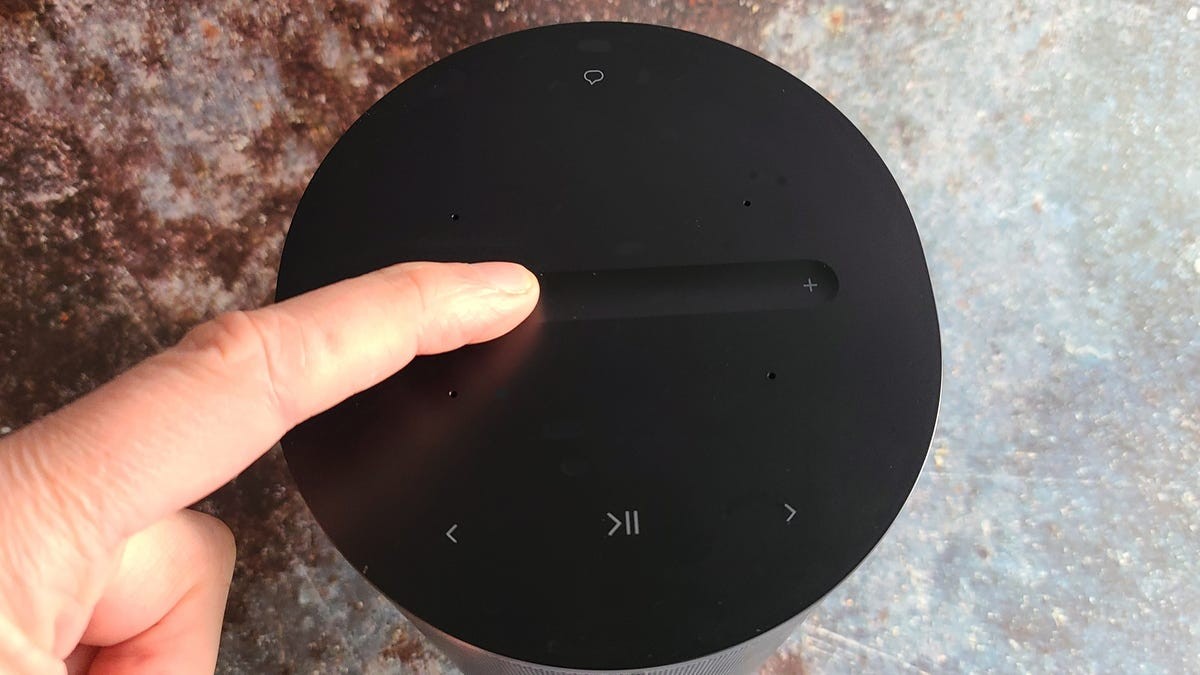
The Sonos Era 100 sets the standard for modern smart speakers. It successfully bridges the gap between high-fidelity audio and smart home convenience. Building on the legacy of the award-winning Sonos One, the Era 100 introduces stereo sound playback in a compact form factor, delivering clarity and depth that outperforms many larger competitors.
Why it matters:
Unlike many smart speakers that force you to choose between sound quality and ecosystem compatibility, the Era 100 offers Bluetooth, Apple AirPlay 2, and Amazon Alexa in one device. This makes it incredibly flexible for users who don’t want to be locked into a single brand’s walled garden.
- Pros: Excellent sound quality; robust multi-room ecosystem; flexible connectivity (Bluetooth + Wi-Fi).
- Cons: Higher price point; no Google Assistant support; slight compression on heavy bass tracks.
Editor’s Take: If you want a speaker that sounds great, integrates with most smart home setups, and allows you to add more speakers later, the Era 100 is the safest and most satisfying bet.
📺 Best Speaker with Display: WiiM Sound
CNET Score: 9.0/10
The WiiM Sound distinguishes itself with a built-in touchscreen and a bundled smart remote, making it one of the most intuitive Wi-Fi speakers on the market. It competes directly with the Apple HomePod in terms of audio fidelity but adds the visual utility of a screen for album art, lyrics, and quick controls.
Why it matters:
This device appeals to audiophiles who want fine-grained control. The onboard EQ allows for significant audio tweaking, and the 3.5mm auxiliary input lets you connect legacy devices like turntables or CD players, instantly modernizing them with Wi-Fi streaming capabilities.
- Pros: High-quality sound with custom EQ; handy touchscreen interface; versatile connectivity (Aux + Wi-Fi).
- Cons: Price rivals the HomePod; app settings have a learning curve; voice assistants struggle with complex music commands.
🍏 Best for Apple Users: Apple HomePod Mini
CNET Score: 8.2/10
Despite the release of the larger HomePod, the Mini remains the best entry point into Apple’s high-fidelity audio ecosystem. At under $100, it offers remarkable sound quality for its size, complete with Siri integration and environmental sensors that monitor temperature and humidity.
Why it matters:
For users deeply embedded in the Apple ecosystem, the HomePod Mini offers seamless AirPlay 2 integration and smart home control via HomeKit. It transforms your iPhone or iPad into a remote control effortlessly, providing a user experience that is smoother than any cross-platform competitor.
- Pros: Compact design; excellent sound for the size; seamless Apple ecosystem integration.
- Cons: Siri remains less capable than Alexa or Google Assistant; limited smart home accessory compatibility outside HomeKit.
🎒 Best Portable Option: Sonos Roam 2
(Note: Specific score not listed in source, but recommended for portability)
The Sonos Roam 2 is essentially a high-performance Bluetooth speaker that doubles as a Wi-Fi speaker. It is designed for users who want to take their music from the living room to the backyard without losing connection quality.
Why it matters:
Most portable speakers sacrifice Wi-Fi capabilities for battery life. The Roam 2 retains Sonos’ multi-room ecosystem, meaning you can sync it with your home speakers for whole-house audio, then unplug it for outdoor use. It offers better sound than typical portable competitors and includes a voice assistant for hands-free control.
🔌 Best for Upgrading Existing Systems: WiiM Pro
CNET Score: 8.4/10
The WiiM Pro is not a speaker itself, but a streaming dongle that breathes new life into older audio equipment. If you have a high-quality stereo system or an older Bluetooth speaker (like the Fluance F170) that lacks modern streaming features, the WiiM Pro adds Wi-Fi connectivity, Spotify Connect, and AirPlay 2.
Why it matters:
This is the most cost-effective way to upgrade your home audio. Instead of buying a new speaker, you keep your existing high-end hardware and simply add modern streaming capabilities. The setup is straightforward via the app, and it integrates well with multi-room systems.
- Pros: Affordable; easy setup; preserves investment in existing audio gear.
- Cons: Feature-rich interface can be overwhelming; analog input quality is average.
🧐 How Wi-Fi Speakers Compare to Bluetooth
Understanding the difference between Wi-Fi and Bluetooth is crucial for making the right purchase. While both are “wireless,” they serve different purposes:
| Feature | Wi-Fi Speakers | Bluetooth Speakers |
|---|---|---|
| Sound Quality | Higher fidelity due to greater bandwidth. | Compressed audio; lower fidelity. |
| Range | Whole-home coverage via router. | Limited to ~30 feet from source. |
| Phone Usage | Does not interrupt calls/notifications. | Takes over phone audio; calls stop music. |
| Multi-Room | Native support for syncing multiple speakers. | Generally single-device only. |
Key Trend: The best 2026 speakers often support both. Use Wi-Fi for high-quality, multi-room listening at home, and Bluetooth for quick, temporary connections when your phone isn’t on the same network.
🛠️ How We Test
Our evaluations are conducted in a dedicated 15,000 sq. ft. lab space using rigorous, unbiased criteria. We test speakers in a living-room environment with various music genres to assess:
* Clarity and Dynamics: How well the speaker handles complex audio.
* Bass Response: Depth and punch without distortion.
* Stereo Imaging: Soundstage width and instrument separation.
* App Usability: Ease of setup and control compared to competitors.
💡 Conclusion
Choosing the right Wi-Fi speaker in 2026 depends on your existing ecosystem and audio goals. For most users, the Sonos Era 100 offers the best balance of sound, flexibility, and smart features. Apple users should stick with the HomePod Mini for seamless integration, while those looking to upgrade legacy audio systems will find the WiiM Pro an indispensable tool. Regardless of your choice, moving to Wi-Fi streaming unlocks a richer, more reliable, and more immersive audio experience than Bluetooth alone can provide.