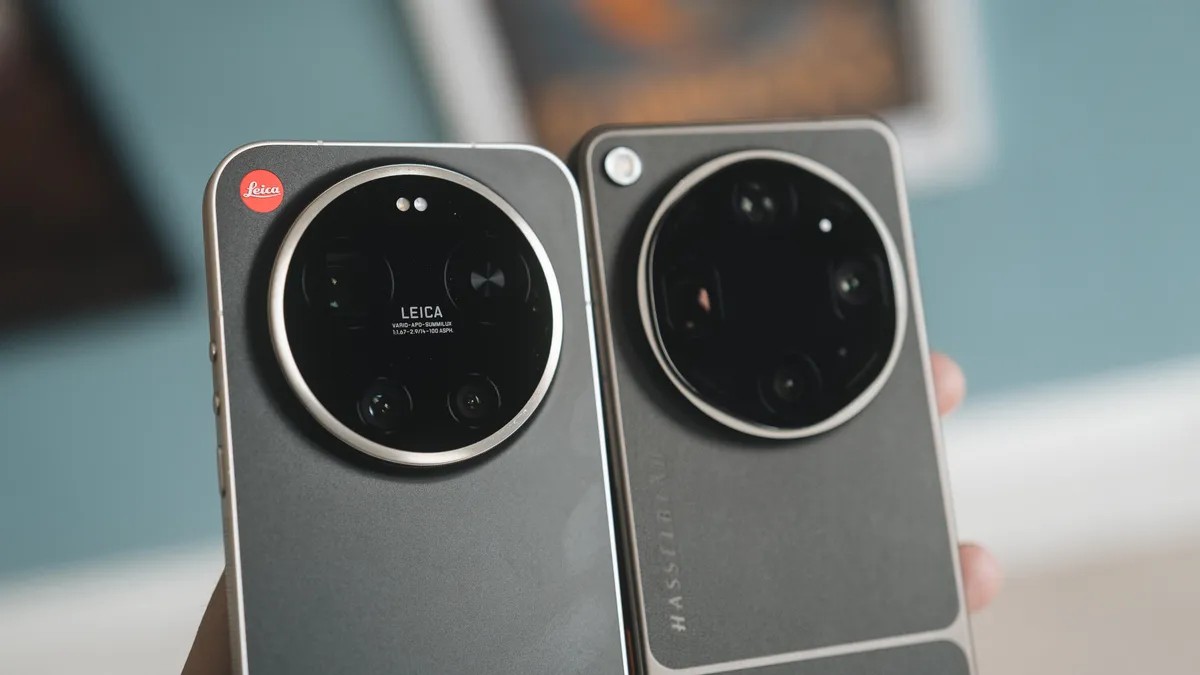
I called the Xiaomi-Leica Leitzphone “the best camera phone ever” back in March. I meant it. The thing is less a phone than a pocketable lens rig.
But Oppo has been making noise lately.
Their Find X9 Ultra pairs with Hasselblad and comes armed with specs that scream “powerhouse.” Both companies claim the throne. So I put them head-to-head.
I’ve reviewed phones for fifteen years. I also shoot photos for a living and make YouTube videos about it. My standards are high. Especially when you’re dropping nearly two thousand dollars.
The Find X9 Ultra starts at £1,44 ($1,91). Still pricey, sure, but it costs significantly less than the £1,70 ($2,2) Leitzphone. Neither is available in the US, which is a bummer. They both cost more than an iPhone 17 Pro. You pay up. You expect perfection.
So I’m going to be nitpicky. Brutal even.
Keep in mind though, photography is subjective. I like certain color profiles. You might not. These phones are exceptional. The gap is small. Let’s dig in.
Hardware: Pixels vs. Physics
Before looking at images, let’s look at what’s under the hood.
The Find X9 Ultra throws numbers at you. It has a 200MP main shooter. A 50MP ultrawide. A 200MP 3x telephoto. And a 50MP 10x periscope telephoto. Impressive specs sheet.
The Leitzphone plays a different game. It uses a physically larger 1-inch sensor. It employs a technology called LOFLO. Here’s the gist: the sensor captures high dynamic range in a single shot. It doesn’t stack multiple frames like most phones do. Oppo does the frame-stacking thing.
This tech is rumored for next year’s iPhone and Samsung Galaxy. It feels like the future. It’s a shame Oppo isn’t chasing it yet, though their processing remains competitive.
The Leitzphone also has a physical control ring.
Twist it to focus. Or zoom. Or adjust exposure. It mimics the feel of a real DSLS camera. It’s a nice tactile touch. I use it constantly.
There’s more. The Leitzphone features a continuous optical zoom lens. Real moving elements. No jumping between fixed focal points. No quality drop. Oppo’s zoom is good too—especially with that optional add-on lens we’ll get to later—but the Leitzphone feels smoother.
On paper, the Leitzphone pushes the envelope with newer tech. Hence the higher price tag. But specs mean nothing if the photos look bad. Let’s see.
Daylight Images: Processing Wars
Most shots were edited in Lightroom to standardize them. No heavy tweaking otherwise. Just raw files exported.
First test: outdoors. Main cameras.
Both look great. Colors are accurate. Exposures are solid.
The Leitzphone gives highlights a slight punch. Clouds pop without blowing out the white balance. Oppo, on the other hand, struggles slightly. Zoom into a building facade and you’ll see it. Oppo’s shot is brighter. Too bright. Details get smoothed out or lost entirely. The Leitzphone keeps the texture organic. The shadows stay real.
In another cloud scene, the Leitzphone’s whites are stark. 3D. The Oppo tones them down into grayish slush. It lightens shadows aggressively, too. Chain fence shadows look lifted, unnatural.
This is the Oppo’s tell. It loves processing shadows. It makes images look “HDR-heavy.” It gives off that cliché phone-photo vibe. The Leitzphone trusts the light.
Trees framed against sky? Leitzphone wins on fine detail and tone.
However.
Not everything is about subtlety. Look at those red chairs. The Find X9 Ultra makes them vibrate with vibrance. The Leitzphone image is muted. Dull, even. Some will prefer the punchy colors. That’s fine.
Ultrawide shots reveal a similar pattern. The X9 Ultra sometimes looks overcooked. Red saturation goes through the roof. But sometimes that’s a feature, not a bug. The Leitzphone holds back. It preserves natural yellow paints and blue skies without oversaturating them. With both having 50MP ultrawides, quality is equal. Taste divides them.
Flowers? The Oppo makes greens scream artificially. Shadows look fake. The Leitzphone stays muted but believable. I prefer reality.
High-contrast scenes—deep shadows versus bright sky—break the Oppo. It crushes highlights to lift shadows. The result? A gray sky where there should be brightness. Unnatural. The Leitzphone blows out a tiny bit of cloud highlight but keeps the scene intact.
The fix for the Oppo? Master Mode.
Shoot in DNG RAW. Bypass the AI. Suddenly, shadows deep naturally. Highlights recover properly. During my trip to Madeira, the default mode felt too “clean.” Too processed. Raw files unleashed the hardware’s true potential.
Zoom: Quantity vs. Quality
Oppo has two telephotos: 3x and 10x. Leitzphone has a continuous motorized zoom from 3.2 to 4.3x.
Less range for Xiaomi? Yes. More usable range? Arguably yes. 70 to 100mm is a photographer’s bread and butter.
At 3x, I expected better from Oppo’s 200MP telephoto. The details look mushy. The Leitzphone oversharpened a bit, but sharp beats blurry every time.
Zoom in to 4x? Oppo digitally crops. Quality plummets. Brickwork gets smoothed into oblivion. Leitzphone maintains quality across its zoom range.
Then there’s 10x.
Oppo comes alive. Details return. Pin-sharp. Not oversharpened. A genuinely stunning lens.
And wait, there’s more. The Explorer Kit.
A detachable lens unit. Huge. Heavy. £49 ($6) for the kit alone. But it goes from 300mm optical up to 130mm digital equivalent. I’ve taken shots with it that are just wild.
Leitzphone doesn’t offer this. If you love wildlife photography or spying on strangers from across the street, the Find X9 Ultra wins by a mile. For daily use? I prefer the Leitzphone’s consistent quality.
Night Mode: Clarity vs. Mood
Full images? Both are bright. Both have similar lens flare around streetlamps.
Zoom in.
Find X9 Ultra edges out. Water droplets on cars? Crisp. Brick textures? Visible. Leitzphone is fine. Not bad. Just… softer. Oppo wins on pure sharpness.
Ultrawide night shots? Oppo is brighter. Colors balance better. Contrast is punchier. Again, clearer details.
But here’s where the software trips it up.
In one particular scene, the Oppo processed shadows until they looked fake. Saturated. Artificially bright. A lot of people like this. Bright nights are easier to edit.
But I don’t.
It looks like a night filtered by a machine. The Leitzphone kept shadows dark. It kept the mood of the night. I still preferred it.
The Verdict
Which is better?
Both are astonishing. Honestly, you can’t go wrong. These are the top tier. Full features for enthusiasts. Incredible low light. Incredible zoom.
I preferred the Leitzphone most of the time.
Why? The Leica tuning feels natural straight out of the box. You don’t always need to open Master Mode or tweak RAW files to get a good image.
Oppo fights you a little. The default processing is too aggressive. It smears reality.
But.
If you master the Oppo. If you shoot RAW. If you unlock its potential in Manual mode. It rivals the best.
I’ve taken some of my best shots on it. Just not the default ones.