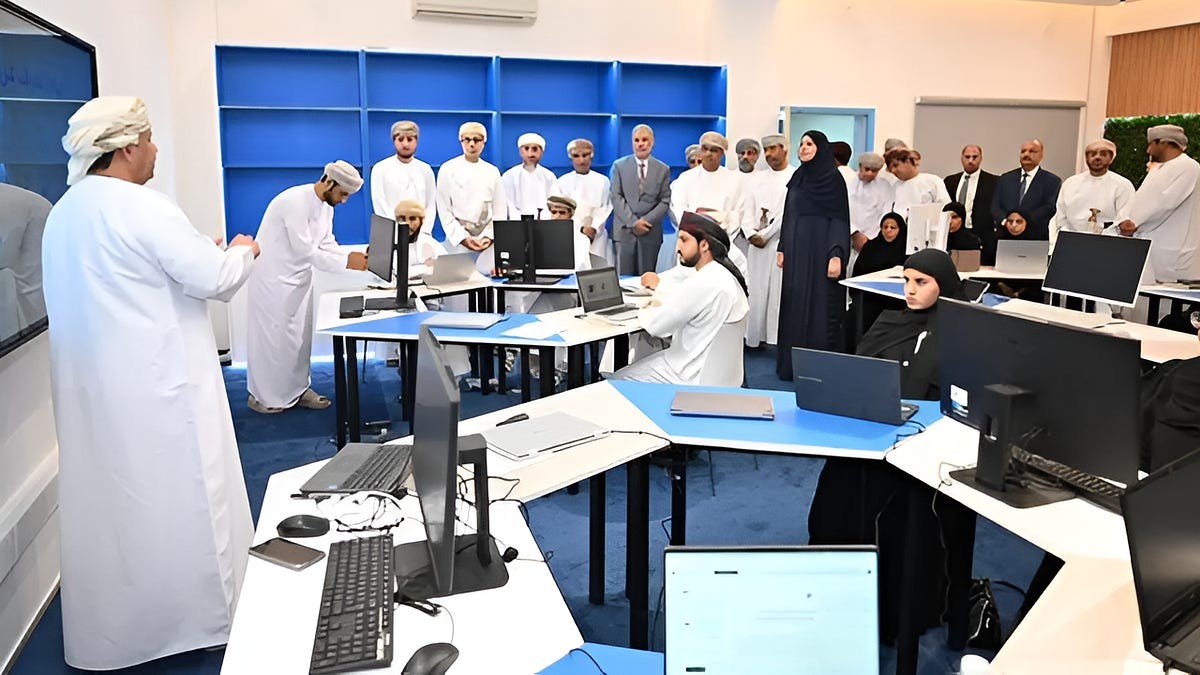
ASUS. Intel. A new AI lab. It just opened in Ibri.
The Directorate-General of Education there in Al Dhahirah is hosting it. Not in the capital, but in the largest city of that specific governorate. They teamed up with local giant Bahwan Projects & Telecoms too.
“The first AI-focused project ASUS has delivered in the region.”
It isn’t just hype.
The room is packed with gear. Rugged Chromebooks, all-in-ones, laptops designed to take a beating. All of it running on Intel Core Ultra processors. These chips mix CPU, GPU, and NPU power to run AI right on the device. No cloud dependency. Fast, private, local processing.
Think about the location. Ibri sits right next to Oman’s biggest oil field.
The government wants the region’s young people skilled. AI is the lever now. This lab feeds directly into Oman’s National Program for Artificial AI. It’s about building a knowledge-based economy. A pivot point.
Bahwan Projects provided the muscle. Part of the Suhail Bahwan Group. They handle everything from telecoms to defense to oil. If it needs building or wiring in this country, they are usually involved.
ASUS says it’s deployed ed-tech in over 100 countries. Governments in the Middle East, Europe, Asia—they are all watching. This isn’t isolated.
Is education really the entry point for Gulf AI strategy?
It looks that way. Pair consumer devices with national digital agendas and you get this.
The hardware chosen matters. ASUS ExpertBooks for hybrid learning. Long battery. Lower carbon footprint. Good for a classroom, sure, but also sends a message. Sustainable tech.
The lab supports researchers and educators. Students get AI literacy without leaving the city.
The door is open.
What happens next is up to them.