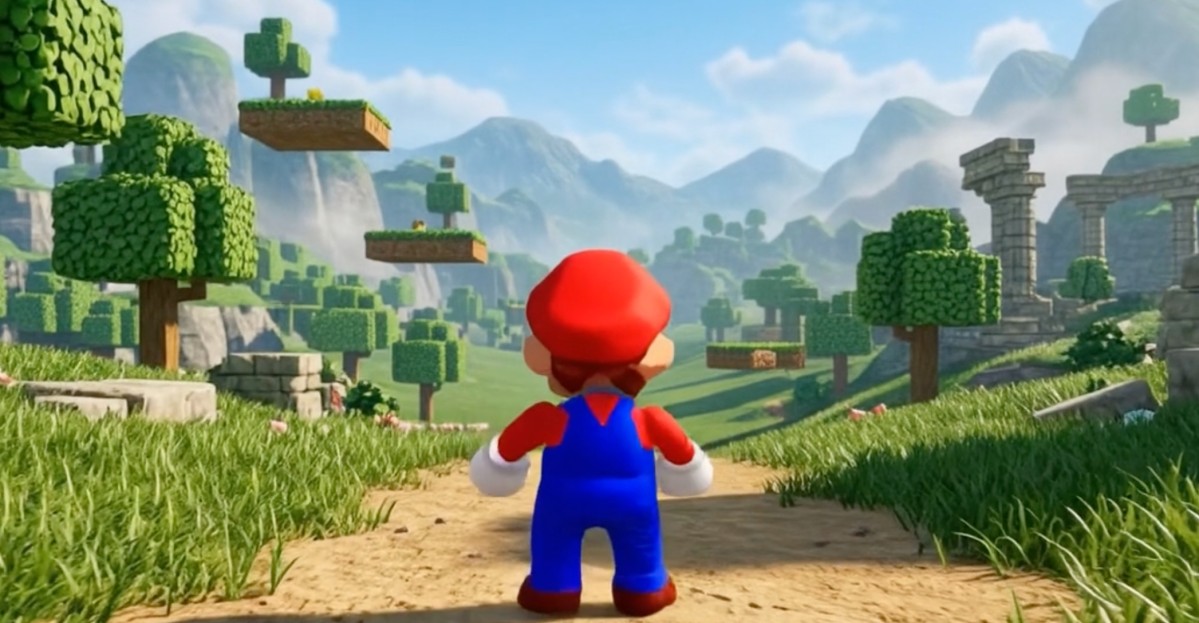
Generative AI is making waves across creative industries, but video games present a unique challenge. Despite aggressive investment from major companies like Krafton, EA, and Ubisoft—some even claiming “AI First” strategies—the current state of AI-generated game worlds falls far short of what human developers produce. While AI can generate environments, it struggles to deliver the engaging, replayable experiences players demand.
The Problem with AI-Generated Worlds
Historically, video games have used procedural generation—crafting worlds on the fly based on rules and parameters—to create dynamic experiences. Games like Minecraft and Rogue pioneered this approach, proving that emergent gameplay is possible. However, these systems are built by humans who carefully design the underlying mechanics to ensure compelling exploration and consistent entertainment.
AI’s attempt to automate this process has not yet yielded similar results. Google’s Project Genie, a $249.99/month AI sandbox, allows users to generate worlds via prompts, but the experiences are limited to 60-second exploration loops with rudimentary physics and silent environments. The tool also raises copyright concerns by recreating unauthorized versions of popular franchises like Nintendo games.
Despite these shortcomings, industry leaders are doubling down. Elon Musk claims “real-time” high-quality AI games will arrive next year, while Meta envisions prompt-driven game creation for social feeds. Roblox is already testing AI world generation tools. Yet, the core issue remains: a compelling game requires more than just a world.
Why Game Development is Different
Unlike AI-generated video, which has seen rapid improvements, video games demand cohesive gameplay, engaging objectives, original art, sound design, writing, and characters. These elements must work in harmony—a feat that requires years of human development and meticulous design.
The best AI-generated worlds are still rudimentary compared to handcrafted games. Take-Two president Karl Slatoff dismissed Project Genie as “procedurally generated interactive video,” not a true game engine. The stock prices of major game companies briefly dipped after the announcement, suggesting skepticism among investors.
The Future of AI in Gaming
Google will likely refine its AI world models, but whether the focus remains on improving gameplay or advancing AGI is unclear. Even if AI eventually generates responsive, interesting worlds, the complexity of full game production remains a significant hurdle.
The industry is split. Some developers disagree with the idea that AI is essential, while others see it as an inevitable tool. Unity CEO Matthew Bromberg argues that world models are an “accelerator,” but the debate continues. Steam now requires disclosure of AI-generated content, though not for AI-powered development tools.
Ultimately, while AI-generated video has made strides, the gap between its output and human-made games may never close. The instability of the gaming industry—already prone to layoffs—means that the push for AI will persist, despite its current limitations.
The reality is that AI isn’t ready to make games yet, and those who think otherwise are likely overestimating its capabilities. But even flawed tools will be used, and the potential ramifications for the industry are substantial.