New phones hurt.
Seriously. Between memory shortages driving up costs and manufacturers hiking base prices, buying a shiny new flagship in 2026 feels less like an upgrade and more like a tax payment. Apple raised the bar. Everyone else followed suit. You want better tech? You’re going to bleed money for it.
That’s why the best refurbished phone deals in 2026 are actually the smarter play.
You skip the launch premium. You avoid the sticker shock. And you often get hardware that’s functionally identical to the brand-new version. The market for used gear isn’t what it used to be either. We’ve filtered through the noise and the low-ballers. What remains are solid offers from reputable third-party sellers on Amazon—places that actually accept returns if something goes wrong.
Here is what is worth your money right now.
The iPhone choice: Why the 16 is the sweet spot
Apple doesn’t do cheap. But you can hack around that.
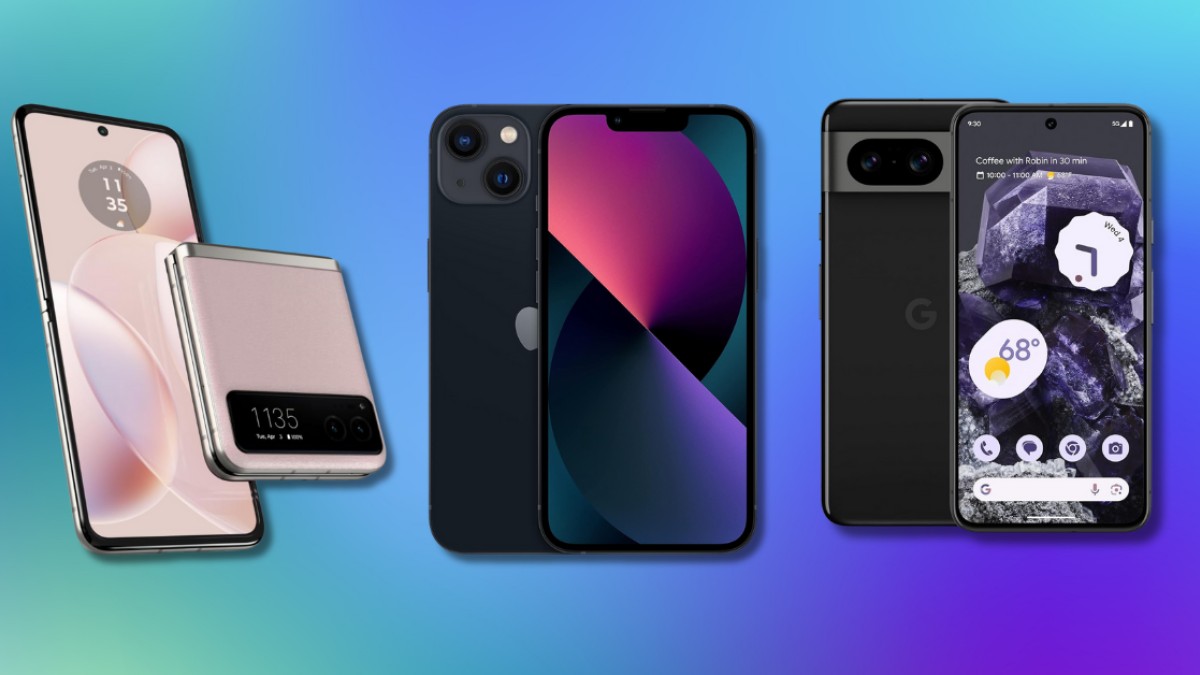
The best refurbished phone deal in 2026 for an Apple user is likely the iPhone 16. It doesn’t feel outdated. It houses the A18 chip, meaning you get Apple Intelligence support. The 6.1-inch screen is crisp. The 48MP camera handles 4K video without breaking a sweat.
The key here is the 256GB storage model. Most budget picks give you 128GB and beg for forgiveness when you take a long vacation.
It’s unlocked. So it works on any carrier. You save hundreds compared to retail, but you aren’t using ancient hardware.
If you have even less budget:
- iPhone 12: $194. Ancient? Maybe. Usable? Yes.
- iPhone 14: ~$300. The reliable workhorse.
- iPhone 16 Pro Max: ~$809. If you need the big screen.
The Google alternative: Pixel 8 specs
Do you like clean software? Maybe you should look at Google.
The Pixel 8 isn’t just a cheaper Pixel. It’s a competent flagship killer. The Tensor G3 chip isn’t the fastest in benchmark charts, but it’s good enough. You get 8GB of RAM. You get a 120Hz OLED screen.
But the camera is the real draw. The 50MP main sensor paired with tools like Magic Eraser makes taking photos effortless. Night Sight? Still good. Since it’s unlocked, you can drop it on T-Mobile or Verizon without fighting the carrier lock.
Other Pixel prices:
- Pixel 7: ~$189
- Pixel 8: ~$257
The Android king: Samsung’s value range
Not everyone wants to spend a thousand dollars on an S25.
The Galaxy A16 5G is weirdly undervalued in the refurbished market. It has an AMOLED screen. Battery life that actually lasts all day. And expandable storage. Years ago, Samsung gave you garbage mid-rangers with three years of update support. Not anymore. This thing gets long-term software love.
But if you want flagship power for less:
- Galaxy S23+: You can grab these for around $315. That is a lot of phone for the price of a mid-range competitor.
- Galaxy S23 Ultra: ~$420. Still the king of S Pen utility and zoom capabilities.
Foldables don’t have to cost $1,500
Foldables remain expensive. They are delicate, complex pieces of glass and hinges. Buying them used? It’s either a terrible gamble or a brilliant savings opportunity.
The Motorola Razr (2023/2024 model) makes sense here. It folds. It has a massive 3.6-inch external screen that you actually use for texts and Spotify. You don’t need to open the phone for minor tasks. Inside, you have a 6.9-inch display and a decent 50MP camera.
Wireless charging works. Battery life holds up.
Motorola specials:
- Moto G Power: ~$160 (You save over $110)
- Moto Razr+: ~$394 (You save over $200)
So why buy refurbished in 2026?
Because new is just a marketing word.
You get the same silicon. Same screen. Same build. The box might be brown instead of colorful. There might be microscopic scuffs on the aluminum frame if you hold it under a magnifying glass. But does anyone look at a magnified frame?
You look at your screen.
The deals above aren’t hidden treasures. They’re just logical responses to inflation in electronics. Save the cash. Get the same experience. Or get a better model for the same cash.
Which do you prefer?
It’s your wallet. Spend it how you see fit. But stop handing over $1,200 for a device that drops 40% of its value the second you leave the store. It’s 2026. Act like you know how money works.