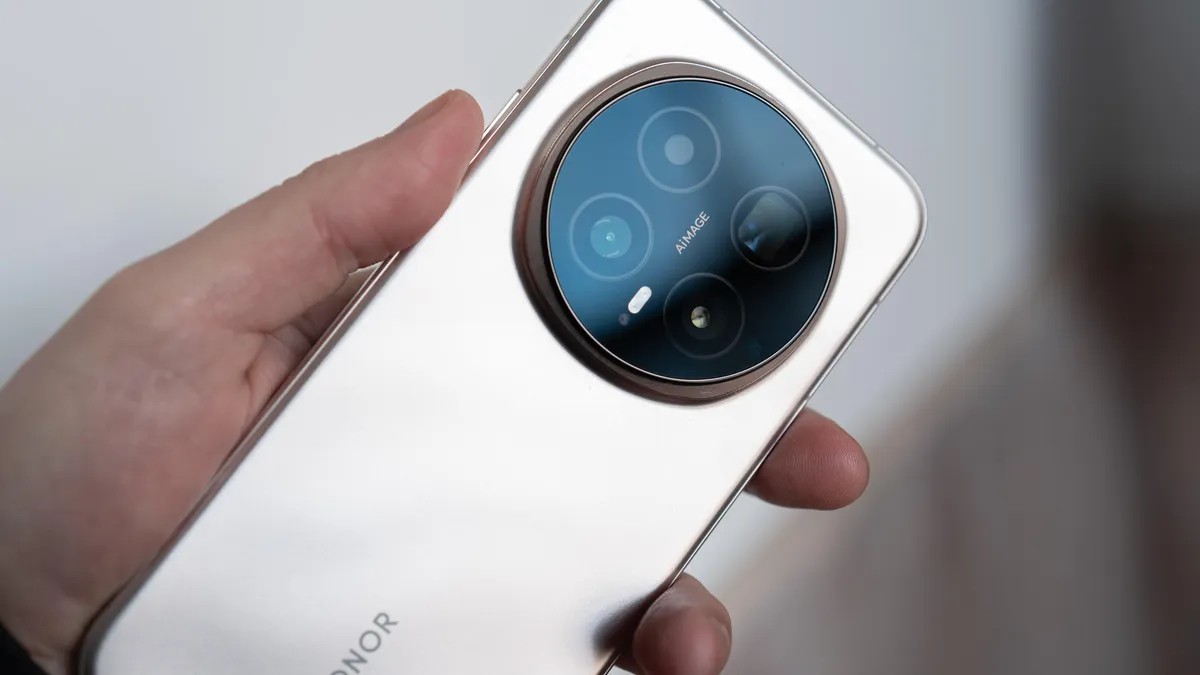
The Honor Magic 8 Pro, Honor’s 2026 flagship, arrives with potent specs, including the latest Snapdragon 8 Elite Gen 5 and a seven-year software support commitment. However, despite its high price point and promising hardware, the device falls short of expectations, primarily due to aggressive and flawed image processing. This review examines the phone’s strengths and weaknesses, highlighting why it struggles to compete with rivals in its price bracket.
Camera: Over-Processed and Underperforming
The Magic 8 Pro’s camera is the most significant drawback. While equipped with a capable 50-megapixel main, 50-megapixel ultrawide, and 200-megapixel telephoto lens setup, the resulting images are often marred by unnatural sharpening, excessive brightening, and distracting artifacts. Initial testing revealed purple fringing on early units, which was corrected in later samples, but the fundamental issue of over-processing remains.
Compared to competitors like the iPhone 17 Pro, the Honor’s shots appear overly processed. Shadows are unnaturally brightened, details are crunchy, and skies look artificially cut out from the rest of the scene. Shooting in RAW mode and editing manually yields far superior results, proving that the hardware itself is not the problem – it’s Honor’s software. Night mode suffers similarly, with excessive noise reduction and sharpening creating an unpleasant, artificial look.
Performance and Display: Where the Phone Shines
The phone excels in performance, thanks to the Snapdragon 8 Elite Gen 5 processor. Benchmark scores are among the highest ever seen, and real-world use is fluid and responsive. Gaming, even at max settings, is effortless. The 6.71-inch display is bright and vibrant, making it easily usable outdoors and enjoyable for media consumption. The 120Hz refresh rate dynamically adjusts to 1Hz, balancing smoothness with battery efficiency.
Software and AI Features: Mixed Bag
The Magic 8 Pro runs Android 16 with Honor’s Magic OS 10 overlay. The interface is similar to stock Android but includes AI-powered tools. These include an AI Photos Agent for generative editing and an AI Settings Agent for voice-activated functions. However, many of these additions feel redundant or poorly executed, such as the cartoon-style image filters that produce questionable results. The inclusion of Google’s Gemini AI tools is welcome, but does not set this phone apart.
Battery Life and Charging: Average at Best
The 6,270-mAh battery delivers average performance, comparable to the Galaxy S25 or Pixel 10, but falls short of competitors like the iPhone 17 Pro Max or OnePlus 15. The 100W wired charging is fast, but requires a compatible charger. Wireless charging is available at 80W, but proprietary accessories are needed to achieve those speeds.
Verdict: A Missed Opportunity
The Honor Magic 8 Pro is a frustrating device. Its hardware is capable, but the aggressive image processing ruins otherwise solid photos. The generous software support and powerful processor are positives, but the camera’s shortcomings make it hard to recommend at its high price point. For a flagship priced over £1,000, consumers expect better. The Oppo Find X9 Pro or OnePlus 15 offer superior value for the money.
Ultimately, the Honor Magic 8 Pro feels like a missed opportunity. The phone has the potential to be great, but its software-driven flaws hold it back from competing effectively in the premium smartphone market.