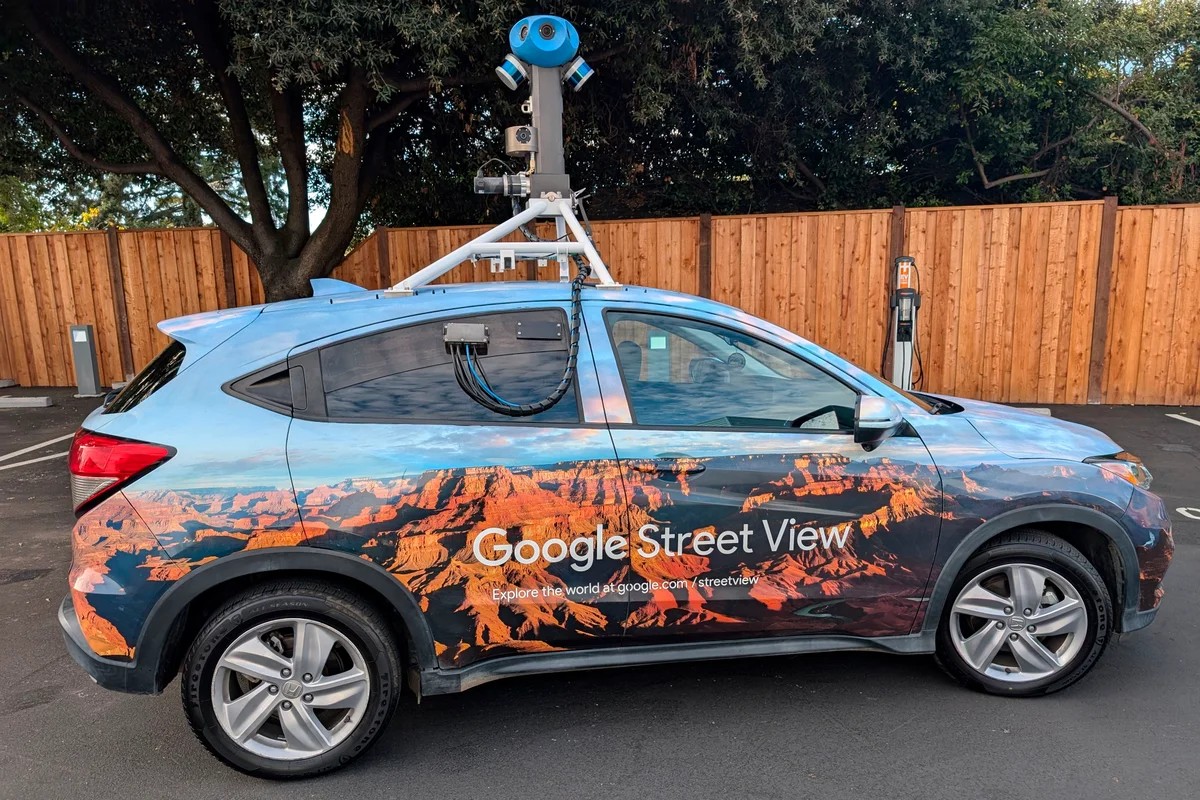
Google Maps is undergoing a major transformation, integrating artificial intelligence to enhance navigation and discovery for its two billion global users. The update, powered by Google’s Gemini AI, introduces two key features: “Ask Maps” and “Immersive Navigation,” aiming to make the platform more intuitive and personalized.
Ask Maps: Conversational Search for Everyday Needs
The “Ask Maps” feature builds on existing conversational capabilities, allowing users to ask complex questions about their surroundings. Instead of just searching for “coffee shops,” you can ask for “cafes with the shortest lines” or “nearby places to charge my phone.” Gemini AI will draw on Google’s extensive database of over 300 million places and 500 million user reviews to provide tailored recommendations.
This is a significant leap forward from traditional search, as it anticipates user needs rather than simply listing results. However, Google executives have not addressed whether businesses will be able to pay for preferential placement in AI-generated recommendations, raising potential concerns about algorithmic bias and transparency.
“Ask Maps” will launch in the US and India via the Google Maps mobile app (iPhone and Android), with plans to expand to other countries and desktop platforms.
Immersive Navigation: 3D Maps for Enhanced Orientation
The most ambitious change is “Immersive Navigation,” a new driving mode that overlays a three-dimensional rendering of the real world onto the map display. This includes landmarks, road medians, and other visual cues to help drivers stay oriented.
Google claims its AI safeguards are now robust enough to prevent “hallucinations” (fabricated locations), a common issue with early AI mapping systems. The new feature is designed to make driving directions clearer, offering pros and cons for different routes and identifying optimal parking spots.
Immersive Navigation will initially be available in the US for Google Maps mobile users and vehicles compatible with CarPlay and Android Auto.
Why This Matters: This update signifies a broader trend of AI-powered interfaces replacing traditional search. Google Maps is positioning itself as an active assistant, not just a passive database, by anticipating user needs and offering contextual recommendations. The rollout is limited initially, but if successful, this model could reshape how we interact with location-based services.
The biggest question remains whether Google will monetize the AI-driven recommendations through advertising. If so, transparency and algorithmic fairness will become critical issues for both users and regulators.